
In the luxury retail sector, the choice of labels plays a pivotal role in defining product appeal. Key physical parameters such as weight, opacity, and texture are essential for creating an upscale experience. Adhering to strict European compliance standards, like RecyClass grading and EN 13432, ensures sustainability while mitigating risks. Rigorous technical testing guarantees label durability against challenging conditions. Furthermore, implementing cost decision models helps brands choose between digital and conventional printing methods, maximizing efficiency and profitability. This article explores these critical aspects to guide luxury brands in achieving sustainable growth and market success.
How Physical Parameters Drive Product Premiumization
In luxury retail, tangible physical parameters1 such as weight, opacity, and texture elevate a product’s market appeal. These factors create a premium experience that differentiates your brand.
Physical parameters significantly affect product perception. For high-end beauty products, using 120-150gsm long-fiber specialty paper2 ensures superior quality compared to standard 80gsm coated paper. A minimum opacity of >94% is necessary to ensure labels are opaque on dark glass bottles.
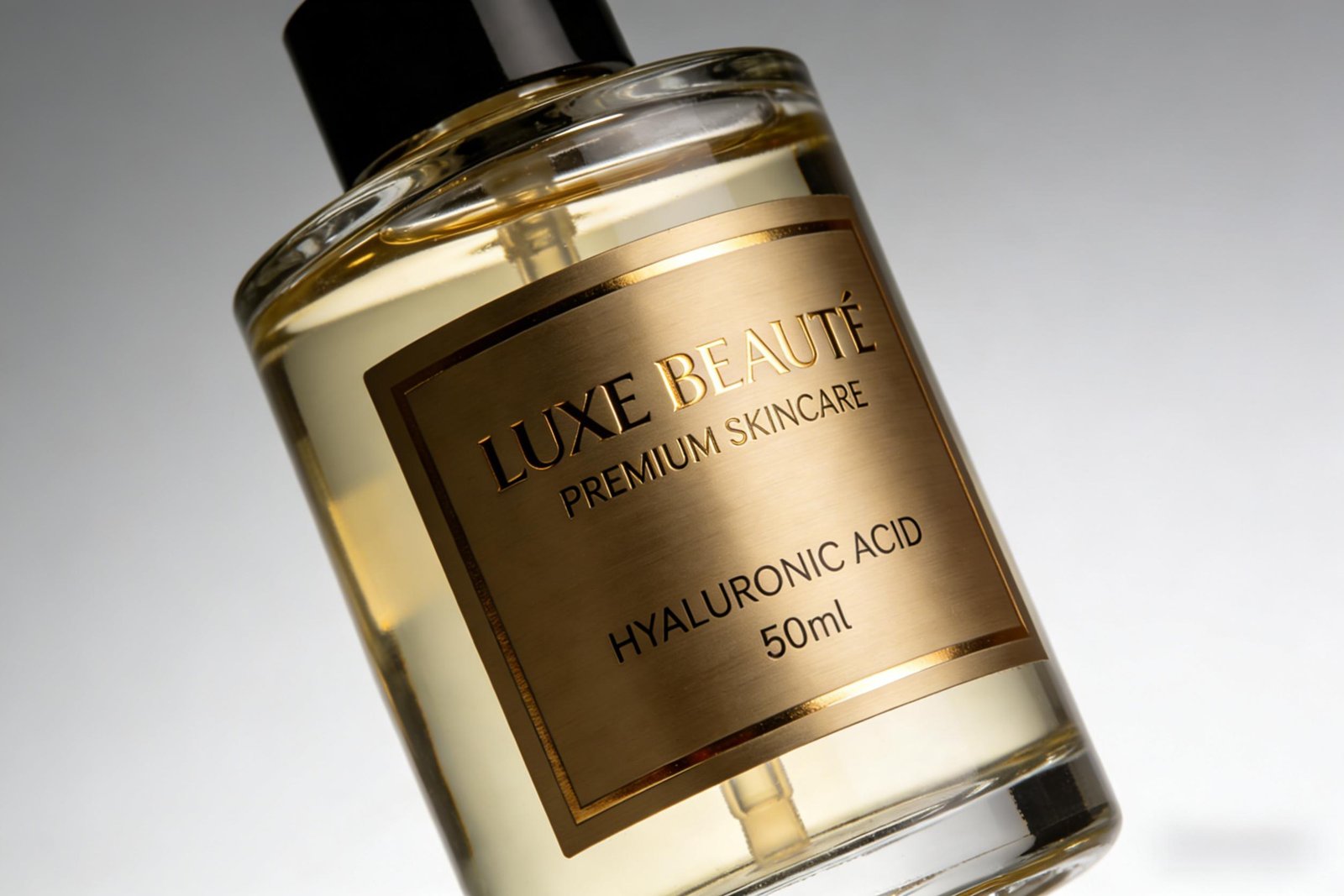
Understanding the role of physical parameters1 is crucial for those aiming to excel in luxury retail. Let's dive deeper into specific standards that can mitigate compliance risks and enhance product integrity.
Sustainable materials are not merely an option; they are a necessity in luxury retail. How can brands navigate compliance without facing significant risks?
Luxury brands must adhere to strict European standards, including RecyClass grading3 and EN 13432. Implementing these practices meets consumer demand for sustainability and protects brands from compliance risks.
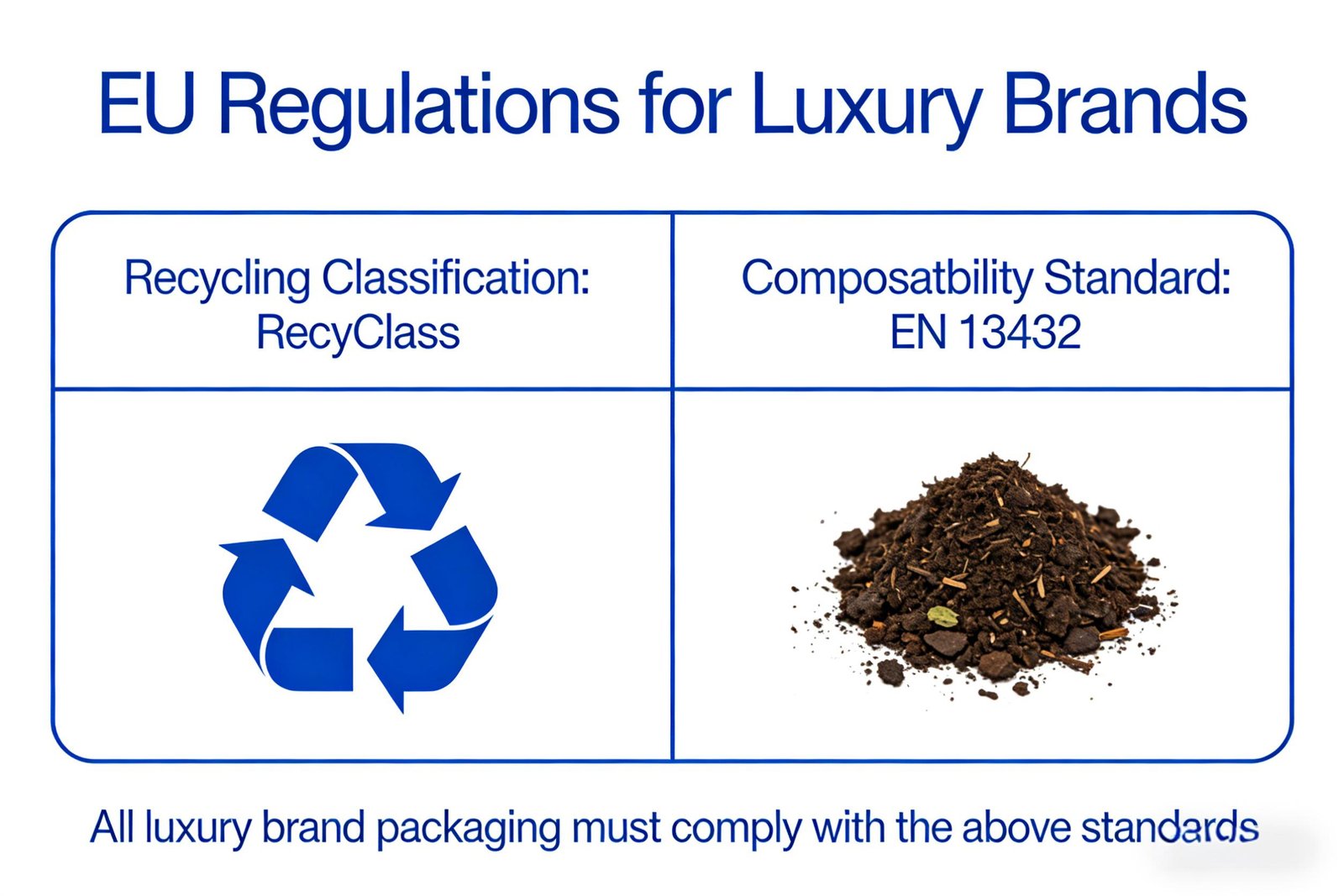
European buyers are particularly sensitive to compliance risks related to environmental standards. Therefore, brands must ensure that materials conform to RecyClass grading3 and meet EN 13432 requirements. For instance, labels must exhibit washable release adhesives, capable of complete removal in a 65-75°C alkaline water cycle within two minutes, leaving no residue. Furthermore, it is essential for suppliers to provide clear certification of FSC Mix or FSC Recycled4 labels, rather than vague claims of “eco-friendliness”.
| Compliance Standard | Requirement |
|---|---|
| RecyClass Grading | Must be compliant |
| EN 13432 | Washable adhesives requirement |
| Certification | FSC Mix or FSC Recycled4 |
Ensuring Quality Tolerance in Foiling, Embossing, and Spot UV
What are the critical quality tolerances luxury retailers must adhere to? Mastering these metrics can prevent costly waste and inconsistency.
Focusing on quality tolerances like Delta-E5 (color difference) and registration (printing accuracy) is essential for luxury brand integrity. For foiling, registration accuracy6 must be controlled within ±0.15mm, and the Delta-E6 value should be less than 2.0 to align with leading European brand standards.

In the B2B environment of luxury retail, maintaining low waste rates and high consistency is crucial. For foiling and embossing, brands should aim for registration tolerances of ±0.15mm to ensure the precision of high-end designs. Delta-E5, the color difference metric, should be less than 2.0 to meet the common quality standard used by top European brands. Implementing rigorous quality control measures can significantly reduce the risk of defects and uphold both brand reputation and consumer trust.
Technical Testing for Resistance to Chemicals, UV, and Adhesion Integrity
Durability in luxury labeling goes beyond mere appearance. How do you ensure that labels stay intact in demanding conditions?
Technical testing standards are vital for assessing label quality. Adhesion must meet the FINAT FTM 17 standard for 24-hour peel strength, and chemical resistance must pass the ASTM D13088 test, especially for beauty products in 50% alcohol.
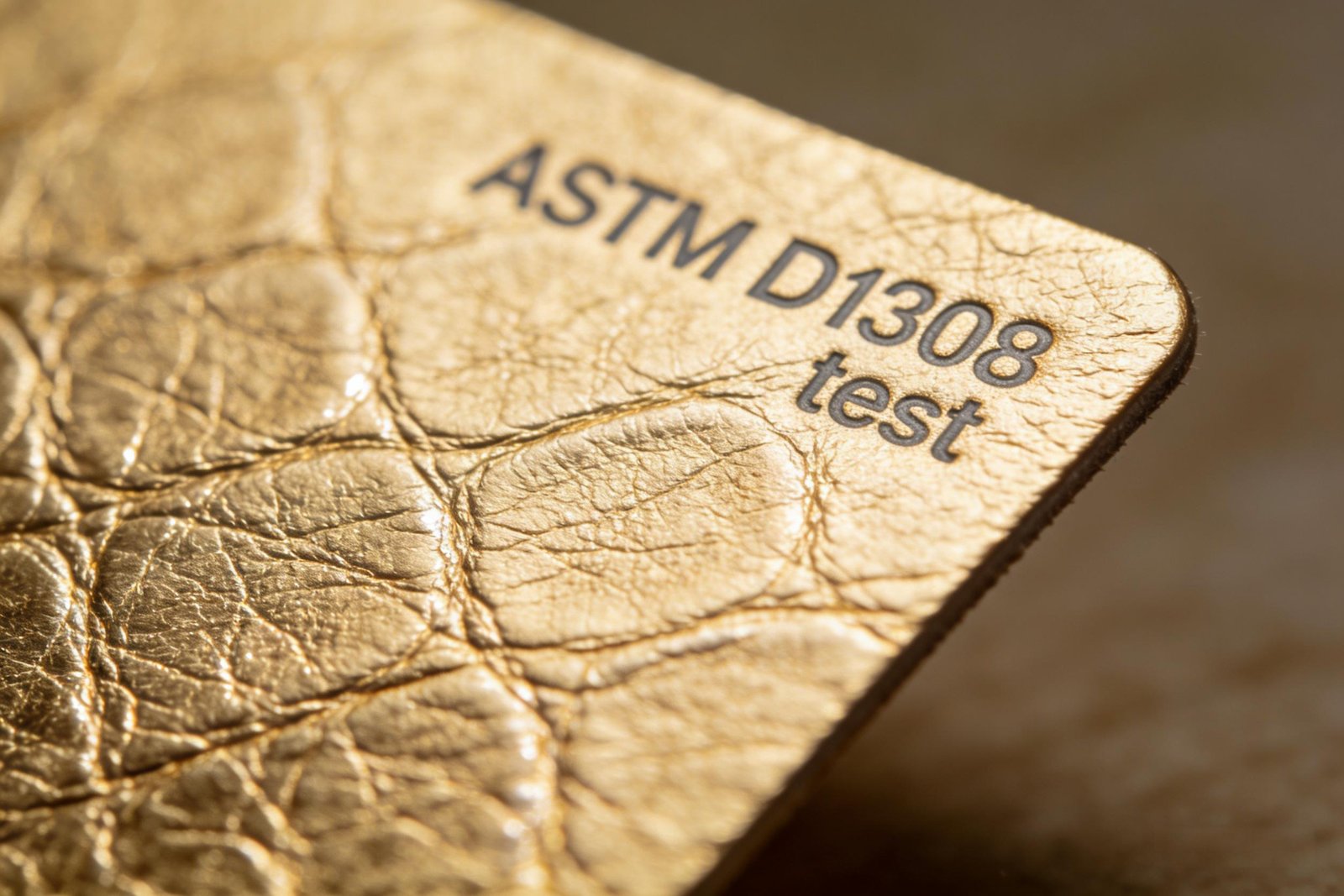
Luxury products often face various environmental challenges, necessitating stringent technical testing standards. Labels should comply with FINAT FTM 17 standards, ensuring adhesion levels maintain specified Newton values after 24 hours. For beauty products, passing the ASTM D13088 test is essential to ensure that labels do not lose ink or integrity when exposed to 50% alcohol. Including these testing metrics in supplier contracts can safeguard against future issues and reinforce the quality image of luxury brands.
Cost Decision Models: Digital On-Demand Printing vs. Conventional Flexography
What cost considerations should guide your choice between digital and conventional printing methods? Understanding the Total Cost of Ownership9 (TCO) model is essential.
The TCO model allows brands to weigh the costs of digital on-demand printing against conventional flexography. In the European market, achieving a break-even point10 generally occurs at 3000-5000 square meters.
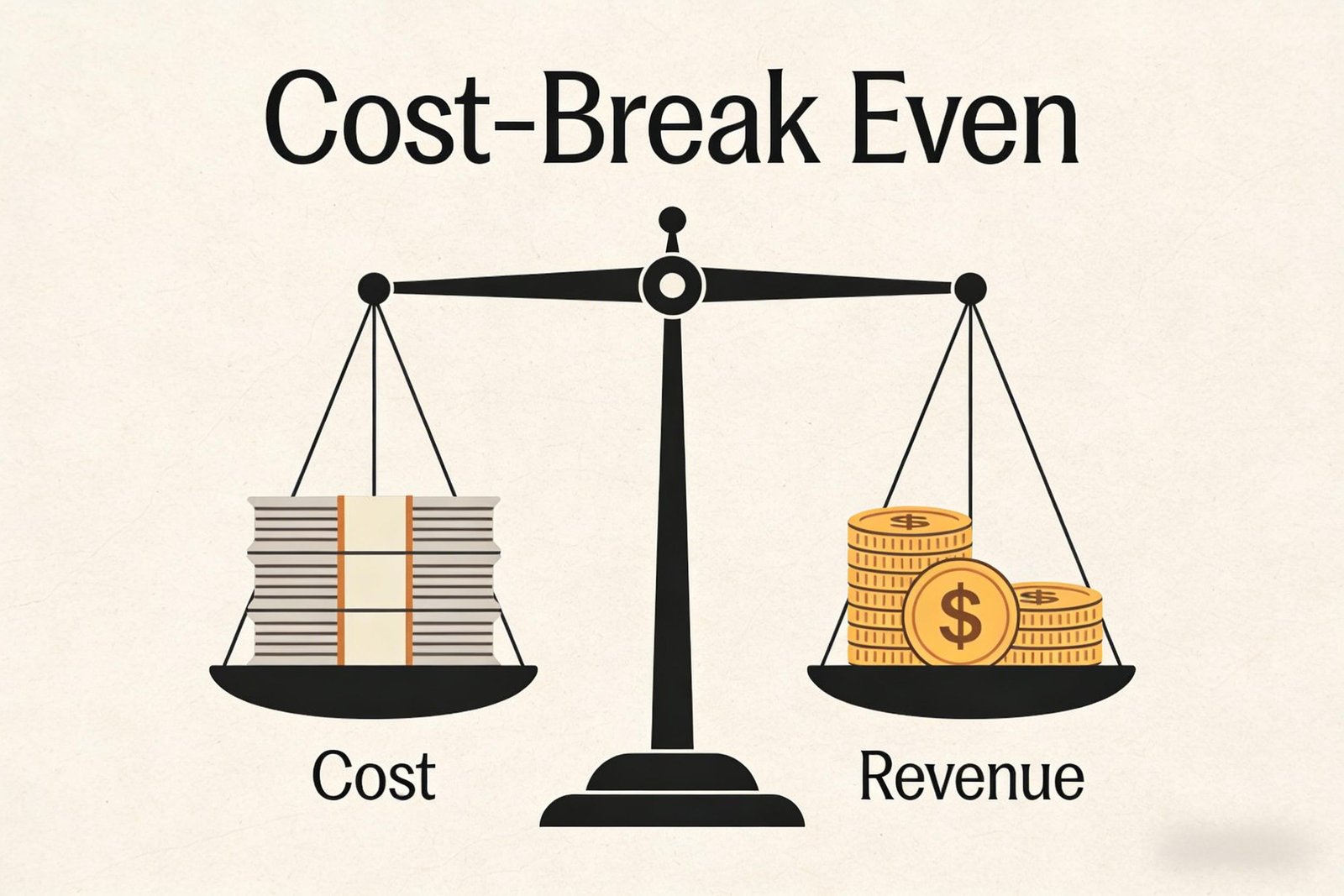
When selecting between digital on-demand printing and conventional flexography, it’s critical for procurement managers to calculate the Total Cost of Ownership9. The break-even point10 often lies between 3000-5000 square meters in the European market. Hidden costs must also be considered—running a linerless label may initially seem more expensive (up to 15% higher), but increased roll lengths can reduce downtime from changeovers by 30%, making it a more economical choice in the long run.
| Cost Factor | Digital Printing | Conventional Flexography |
|---|---|---|
| Break-even Point | 3000-5000 sqm | 3000-5000 sqm |
| Initial Cost | Higher | Lower |
| Changeover Cost Savings | Significant (30% less) | Minimal |
Conclusion
Strategic sourcing for custom labeling is critical in luxury retail. By prioritizing quality parameters, sustainability, and technical testing, brands can significantly enhance their market presence and compliance assurance.
My Insights
At PaperLith, I've seen how strategic sourcing and implementing rigorous standards can elevate a brand's perception. By focusing on specific physical parameters and compliance metrics, companies can differentiate themselves in the luxury market. Embracing these principles has proven invaluable in establishing a competitive edge within this demanding sector.
Exploring this link will provide insights into how physical attributes enhance luxury branding and consumer appeal. ↩
This resource will explain the benefits of using high-quality paper in luxury packaging, crucial for brand differentiation. ↩
Understanding RecyClass grading is crucial for luxury brands to ensure compliance and meet sustainability standards. ↩
Exploring FSC certifications helps brands choose sustainable materials and enhance their eco-friendly image. ↩
Understanding Delta-E is crucial for luxury brands to ensure color accuracy and maintain high-quality standards. ↩
Exploring registration accuracy helps luxury brands achieve precision in their designs, essential for brand integrity. ↩
Understanding the FINAT FTM 1 standard is crucial for ensuring label durability and quality in luxury products. ↩
Exploring ASTM D1308 will provide insights into how labels withstand harsh chemicals, vital for maintaining product integrity. ↩
Understanding TCO is crucial for making informed printing decisions, ensuring you choose the most cost-effective method. ↩
Exploring the break-even point helps you assess when your investment in printing will start to pay off, guiding your financial decisions. ↩