Choosing BPA-free labels is more than an eco-friendly option; it's a fundamental step toward safeguarding your family's health. A deeper understanding of BPA and its effects can empower consumers to make informed choices.
BPA, or Bisphenol A, is a chemical linked to potential health risks. By opting for BPA-free labels, families can significantly reduce exposure to this harmful compound, ultimately enhancing their safety and well-being.
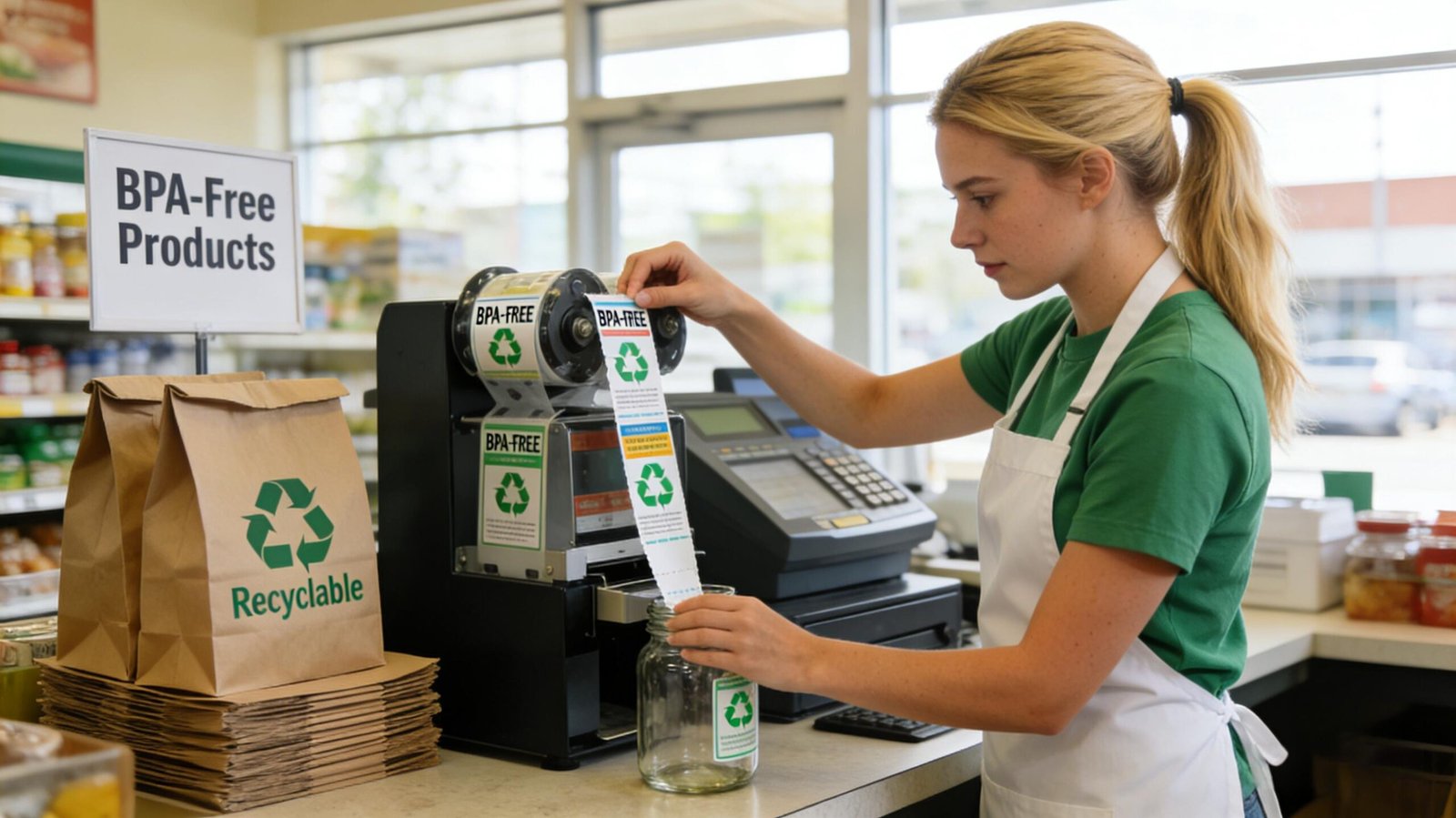
Understanding BPA and its health implications is vital for every family today. Knowledge of how to identify BPA-free products not only changes shopping habits but also impacts family health. Let’s explore these critical aspects and how they sway your daily choices.
What is BPA-FREE? What are BPA Hazards?
BPA-free1 labels indicate safety, but what does this truly encompass? For families, comprehending the dangers of BPA can serve as a transformative tool for protecting health.
"BPA-free1" means that a product does not contain Bisphenol A2, a chemical connected to various hazardous health outcomes from hormonal imbalances to long-term chronic diseases.
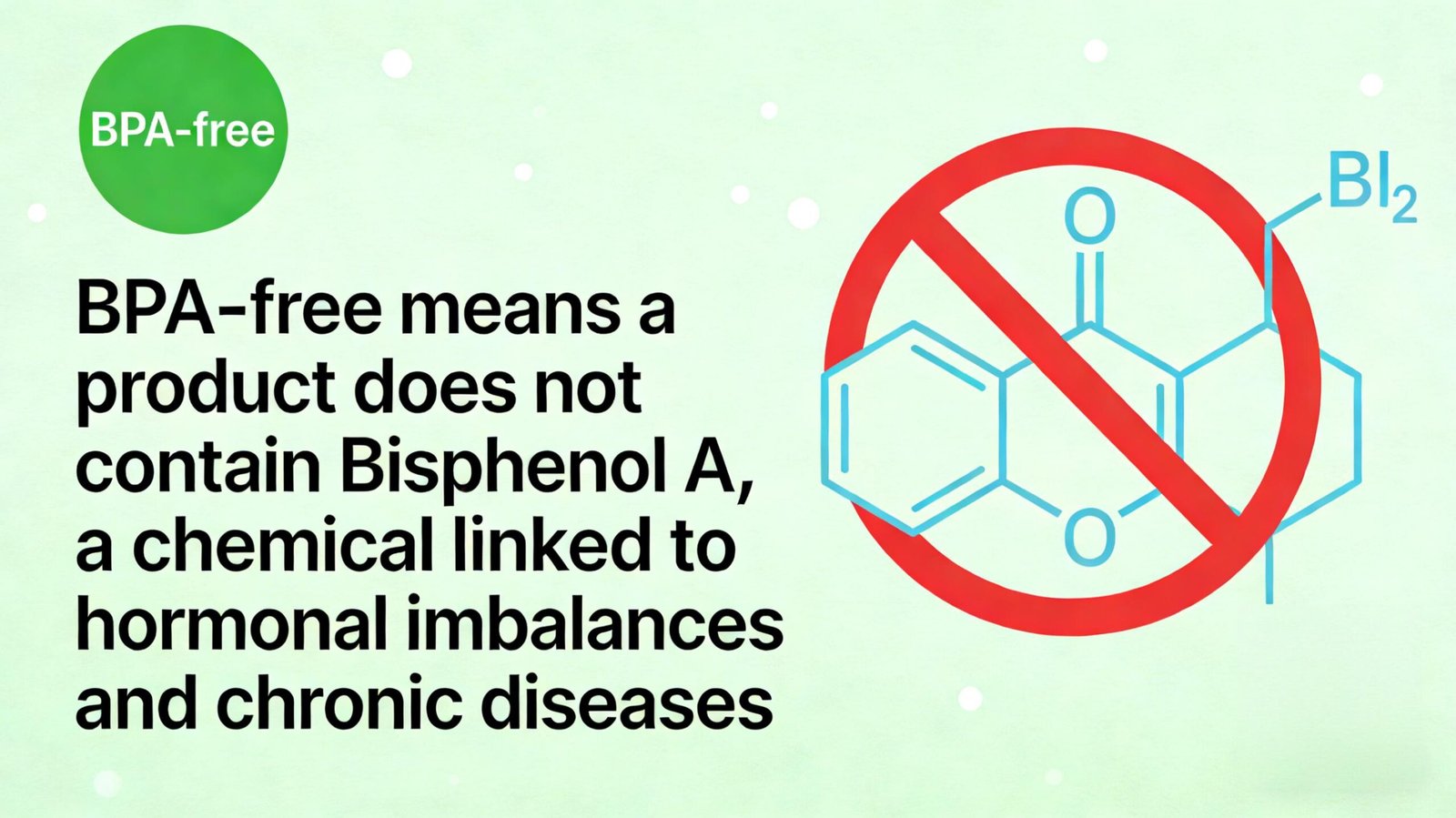
Bisphenol A2 (BPA) is an industrial chemical commonly used in plastics and resins. It’s prevalent in common items such as food containers and water bottles. Research has shown correlations between BPA exposure and significant health issues, particularly among children and pregnant women.
Key Hazards of BPA:
| Health Concern | Description |
|---|---|
| Hormonal Disruption | Alters endocrine functions; linked to early puberty and reproductive issues. |
| Chronic Health Issues | Associated with obesity, diabetes, and cardiovascular conditions. |
Given these links, transitioning to BPA-free1 products is a responsible decision for families eager to prioritize health and wellness.
Hidden Risks in Everyday Life: Which Product Packaging May Contain BPA3?
Surprisingly, many everyday products may contain BPA3, often unnoticed. Recognizing these hidden risks is crucial for ensuring the safety of your family.
Common household items, including food packaging4, water bottles, and even receipts, may harbor BPA3. Awareness is the first step toward making safer choices for your family's well-being.
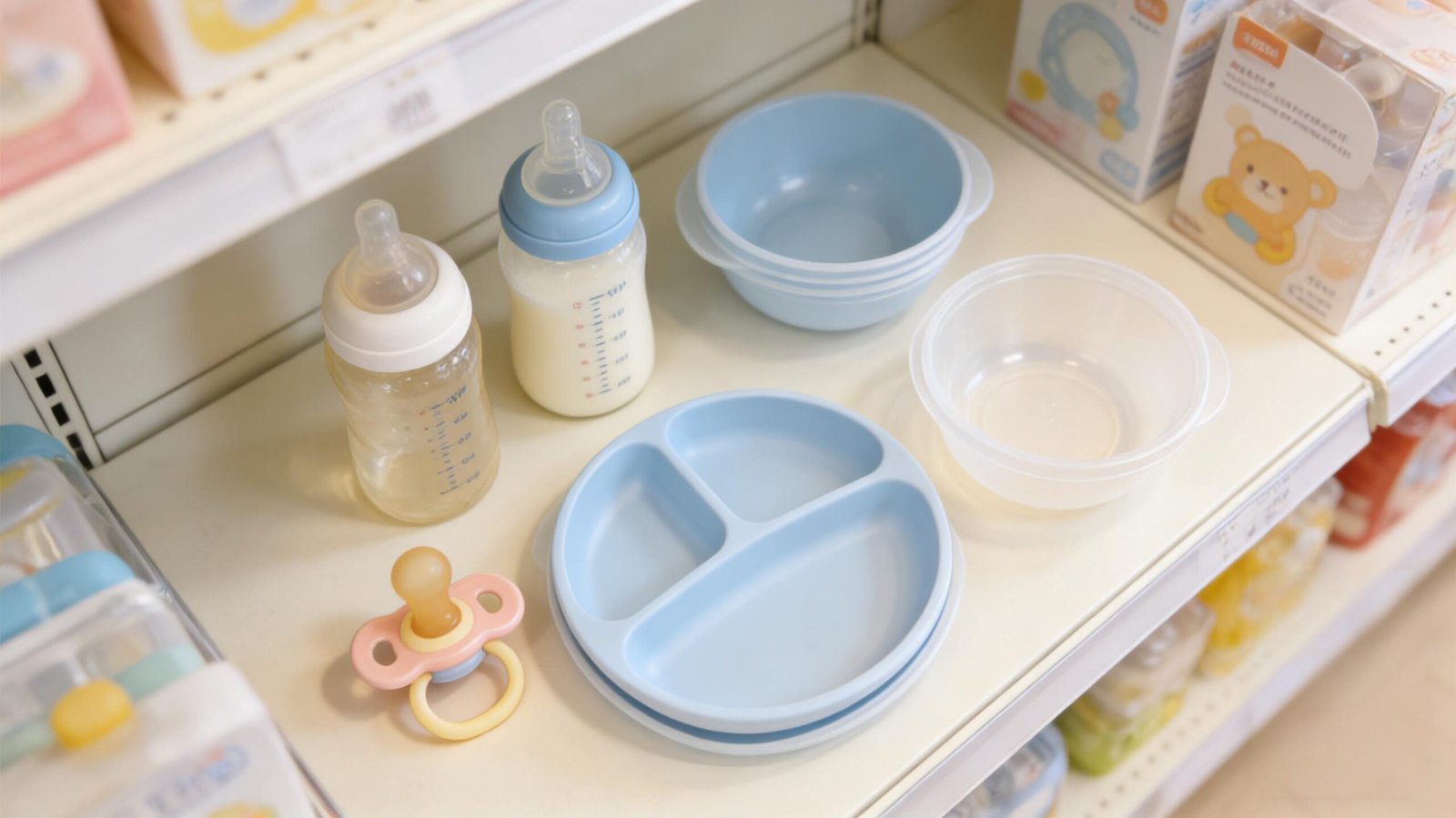
BPA3 can be concealed in various products, raising concerns about cumulative exposure. Here's where you might find BPA3 in your home:
Common Products Containing BPA3:
| Product Type | Specific Items | Risk Level |
|---|---|---|
| Food Packaging | Canned goods, microwave containers | High risk from linings. |
| Water Bottles | Hard plastic bottles | Moderate risk, check for polycarbonate. |
| Thermal Receipts | Store and restaurant receipts | High risk from BPA3 coating. |
By recognizing these potential exposure sources, families can actively avoid BPA3 and its associated health risks.
Safety Label Identification Guide: How to Quickly Identify BPA-Free Certification Labels in Supermarkets
Shopping for BPA-free products shouldn't feel like deciphering a code. Identifying BPA-free labels can streamline the shopping experience and ensure family safety.
Look for specific indicators and labels during your shopping trips. Familiarizing yourself with these markers can help you select safer products effectively.
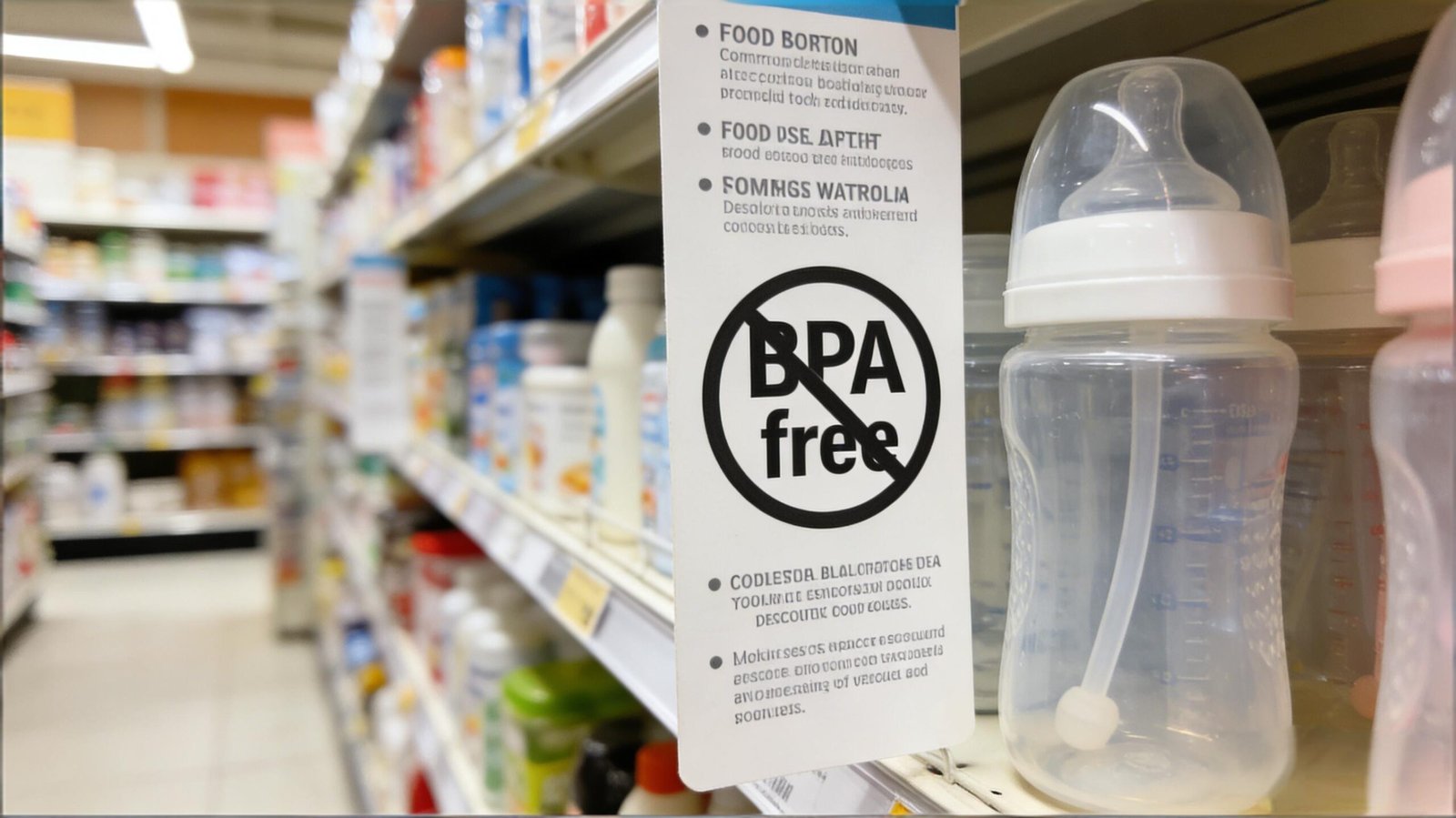
As supermarkets overflow with various options, spotting BPA-free products can become a daunting task. However, being equipped with the right knowledge and strategies can make this process straightforward. Here’s how to effectively navigate the aisles and ensure you’re making the safest choices for your family.
Tips for Identifying BPA-Free Products:
Check for Certification Symbols:
Look for prominent BPA-free logos on packaging. Many manufacturers display certification seals from recognized health organizations, indicating compliance with rigorous safety testing. Common symbols include:- BPA-Free Seal: Often a simple, recognizable logo that clearly states "BPA-Free."
- Certified by Health Organizations: Certifications from agencies such as the FDA or the American National Standards Institute (ANSI) can signify trustworthy standards.
Read Ingredient Lists Carefully:
When examining products, especially those in food packaging, inspect the ingredient list5. Many reputable brands will state "BPA-free" directly on the packaging, particularly for items like storage containers, baby bottles, and canned foods. Being aware of specific phrases referring to BPA can be key in making informed decisions.Familiarize Yourself with Recycling Codes:
Labels often include recycling codes6, usually located at the bottom of packaging. Codes can provide hints about whether a product contains BPA:- Safe Codes: Look for codes 1, 2, 4, and 5, which are generally associated with safer plastics.
- Caution Codes: Avoid codes 3 (polyvinyl chloride or PVC) and 7 (which can include polycarbonate, often containing BPA).
Research Brand Reputation:
Before shopping, spend a few moments researching brands that prioritize health and safety. Many companies openly share information about their commitment to eco-friendly and BPA-free products on their websites. Reputable brands often provide detailed information on their materials and production processes, making it easier for consumers to align with personal values regarding health and safety.Observe Packaging Design:
Consider the type of packaging used for certain products. Products stored in glass or stainless-steel containers are excellent alternatives to plastic, often free from BPA. When shopping, you might also take note of brands that prioritize sustainable packaging solutions, as these often indicate a commitment to consumer safety.Know the Product Categories to Watch:
Focus on specific item types where BPA is commonly found:- Food Containers: Always look for BPA-free labels on plastic food storage containers and entrance materials.
- Children’s Products: Be diligent in checking babysitting bottles, toys, and feeding utensils.
- Personal Care Products: Pay close attention to cosmetics and lotions that may come in plastic containers.
Ask Store Staff for Assistance:
Don’t hesitate to engage with store employees if you have questions about specific products. Many supermarkets have knowledgeable staff who can help direct you to BPA-free options or provide insights on the safety features of various products.
By employing these strategies during your shopping trips, you not only become more empowered as a consumer but also contribute to the overall health and safety of your family. It’s about making informed decisions and investing in products that prioritize not just convenience but well-being.
Recommended Application Scenarios: Why Families with Children, Food Contact Products, and Personal Care Products Should Prioritize BPA-Free Labels
BPA-free options should take priority in specific product categories. Understanding these scenarios can fundamentally transform your purchasing choices.
Families with children, alongside those buying food contact and personal care products, should seek BPA-free labels7 to mitigate health hazards8 and promote overall wellness.
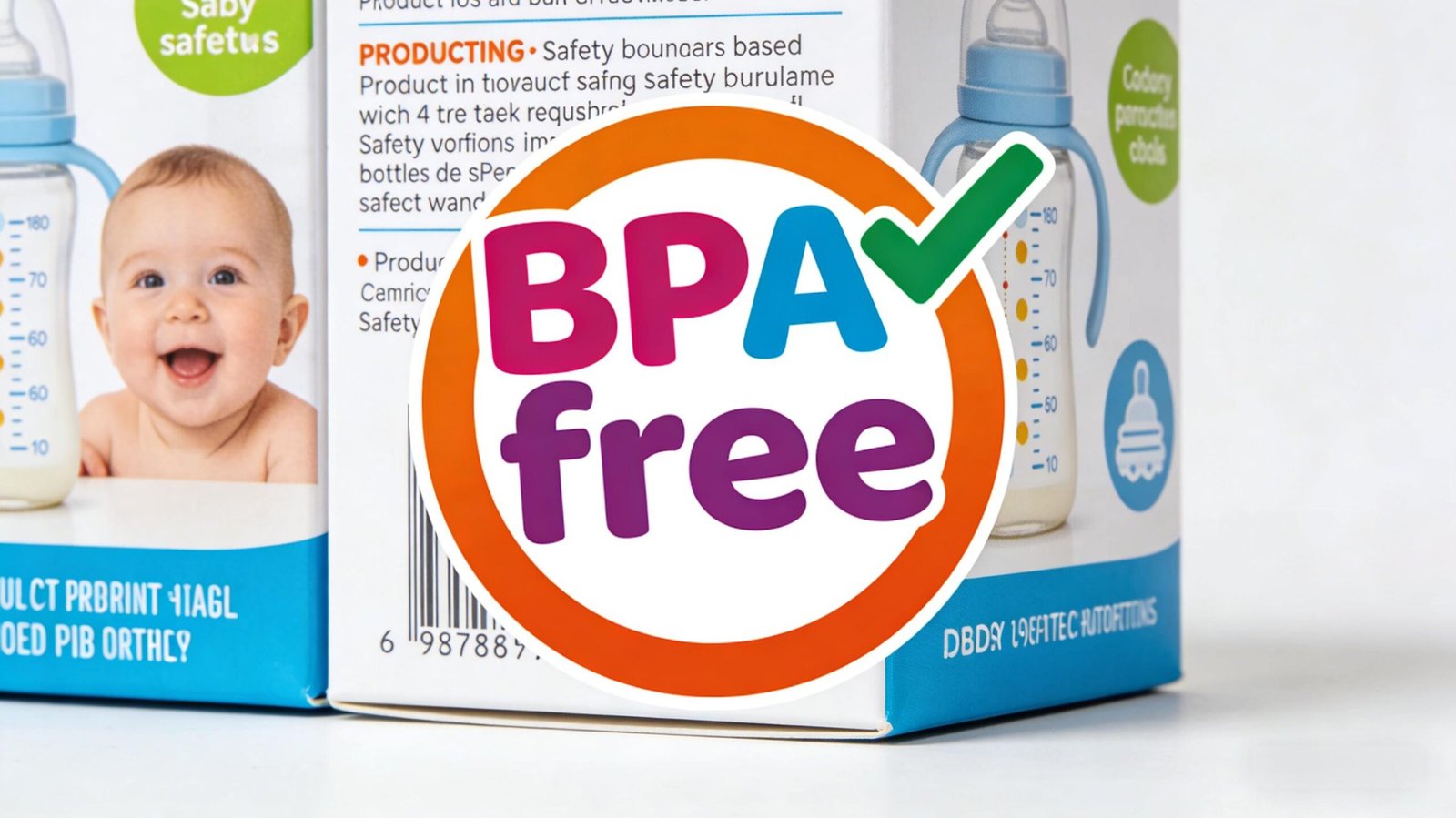
Understanding when and where BPA-free products are essential can significantly influence health choices:
Scenarios for Prioritizing BPA-Free Products:
| Scenario | Importance | Recommended Products |
|---|---|---|
| Families with Children | High risk due to developmental impact. | BPA-free toys, bottles, and containers. |
| Food Contact Products | Prevent leaching of harmful chemicals into food. | BPA-free cooking and storage containers. |
| Personal Care Products | Risk of skin absorption. | BPA-free lotions, creams, and cosmetic packaging. |
| Cleaning Products | Reducing incidental exposure. | Seek cleaning products packaged without BPA. |
Making informed purchasing decisions in these vital categories ensures ongoing safety for both immediate family health and long-term wellness.
Conclusion: Is Choosing BPA-Free Labels Worth It?
The choice to adopt BPA-free labels is more than just trend-driven; it’s a proactive measure for family health. Prioritizing these options leads to safer shopping experiences and fosters enhanced well-being across the board.
My Insights
- Understanding BPA will empower consumers to make informed choices about product safety and family health.
- Identifying potential sources of BPA in everyday items can drastically reduce exposure and its associated risks.
- Familiarizing oneself with BPA-free labels makes shopping easier and promotes healthier lifestyles.
- Encouraging businesses to adopt BPA-free labeling solutions fosters both health benefits and consumer trust within communities.
Understanding BPA-free products is crucial for making informed choices about health and safety in everyday items. ↩
Exploring the health risks of Bisphenol A can help you understand its impact and make safer choices for your family. ↩
Understanding BPA's health risks can empower you to make informed choices for your family's safety. ↩
Exploring this link will help you identify safer food packaging options for your family's health. ↩
Knowing how to read ingredient lists can help you make informed choices for your family's safety. ↩
Understanding recycling codes can guide you in selecting safer plastic products. ↩
Exploring this resource will help you understand the health benefits of choosing BPA-free products for your family. ↩
This link provides crucial insights into the health risks of BPA, empowering you to make safer choices. ↩