
Choosing the right printing technology for your needs can significantly impact both efficiency and cost. In the realm of thermal printing, two primary technologies stand out: direct thermal and thermal transfer printing.
1 Core Technologies: How They Work
Understanding the core technologies behind direct thermal and thermal transfer printing1 is key to making an informed decision. Each utilizes distinct methods for creating prints.
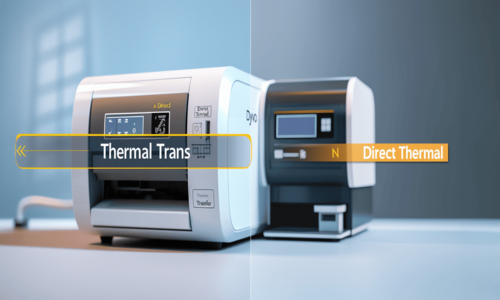
Direct thermal printing2 uses heat-sensitive paper that darkens with heat. In contrast, thermal transfer printing1 involves a ribbon that melts ink onto the material, allowing for more versatile applications.
Depth Comparison Table
| Feature | Direct Thermal Printing | Thermal Transfer Printing |
|---|---|---|
| Printing Method | Utilizes heat to apply images directly onto heat-sensitive paper. | Uses a thermal ribbon to transfer ink onto various surfaces. |
| Print Medium | Designed primarily for direct thermal paper (e.g., coated paper). | Compatible with multiple substrates: paper, polyester, vinyl, and more. |
| Print Longevity3 | Average lifespan of about 3 to 6 months under normal conditions; fades when exposed to sunlight or heat. | Longevity up to 5 to 10 years; highly resistant to fading, moisture, and chemicals. |
| Output Quality4 | Resolution typically 203 DPI, suitable for barcodes and standard text. | Higher resolution up to 300 DPI or more, ideal for detailed graphics and fine text. |
| Maintenance Needs | Low maintenance; no ribbon replacement necessary, minimal downtime. | Moderate maintenance due to ribbon and printhead cleanliness; requires more training for staff. |
| Cost of Media | Generally lower cost: $0.05 - $0.10 per label for thermal paper. | Higher media costs due to ribbon; $0.10 - $0.25 per label depending on material. |
| Applications | Best for short-term labels like shipping, receipts, or tickets (visibility lasts 3-6 months). | Ideal for long-lasting labels such as product identification, warehousing, and industrial applications (visibility lasts years). |
Knowing how both technologies function lays a solid foundation for a detailed comparison. Let’s explore their advantages and limitations.
2 In-Depth Comparison: Advantages and Limitations
2.1 Durability and Lifespan
How does durability5 differ between these printing methods? This aspect is crucial for long-term applications.
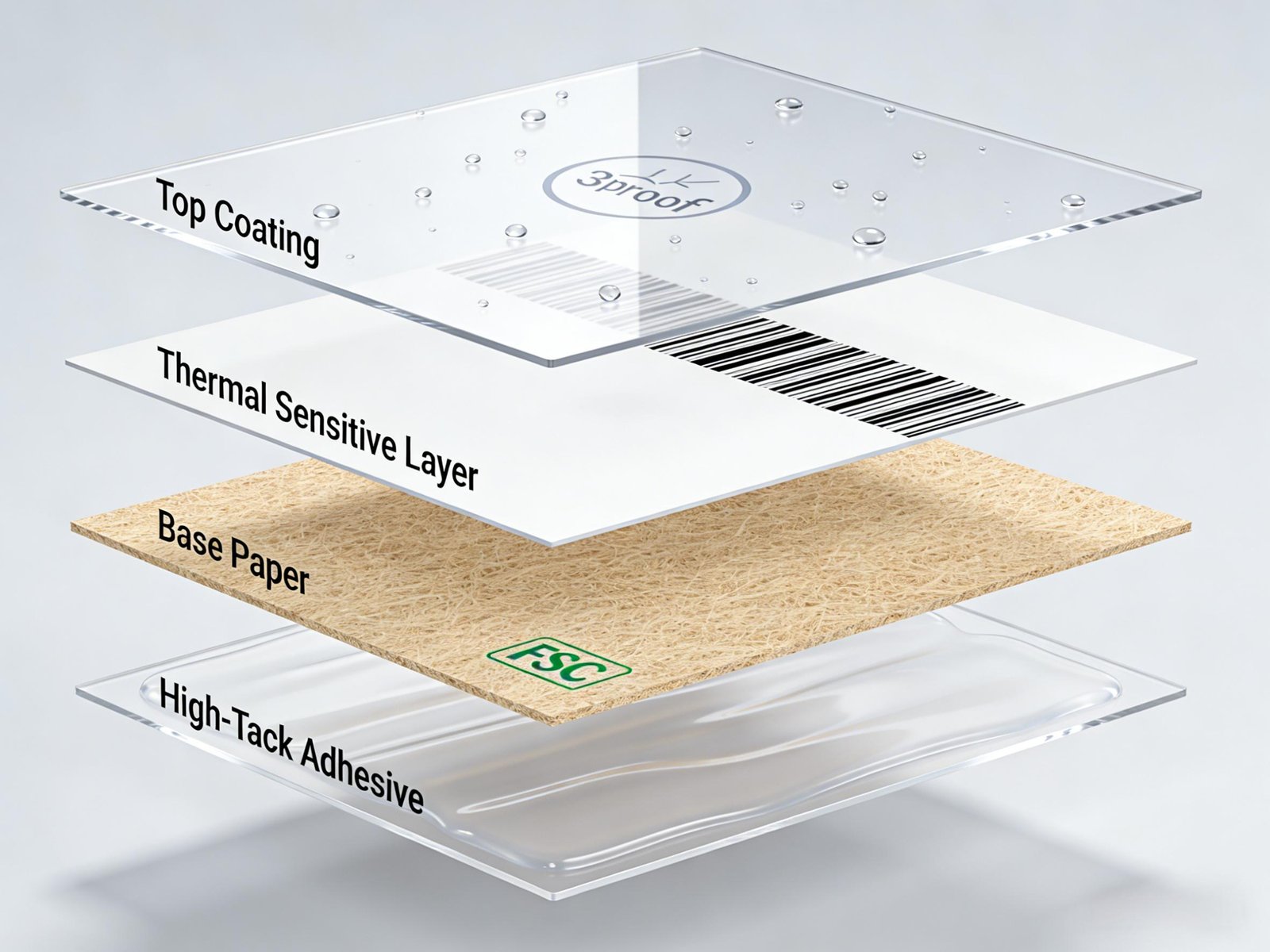
Direct thermal prints tend to fade over time, especially when exposed to sunlight, while thermal transfer prints offer superior longevity and resistance to environmental factors.
When assessing durability5:
- Direct Thermal6: Best for short-term applications; typically lasts 3 to 6 months. Any exposure to heat or sunlight reduces lifespan significantly.
- Thermal Transfer7: More durable, typically lasting 5 to 10 years. Resistant to smudging and scratching, making it ideal for long-term labeling needs.
Choosing the right method based on durability5 can significantly extend the life of your printed materials.
2.2 Cost Analysis
What are the cost implications8 of each printing method? Budget considerations are vital for any procurement decision.
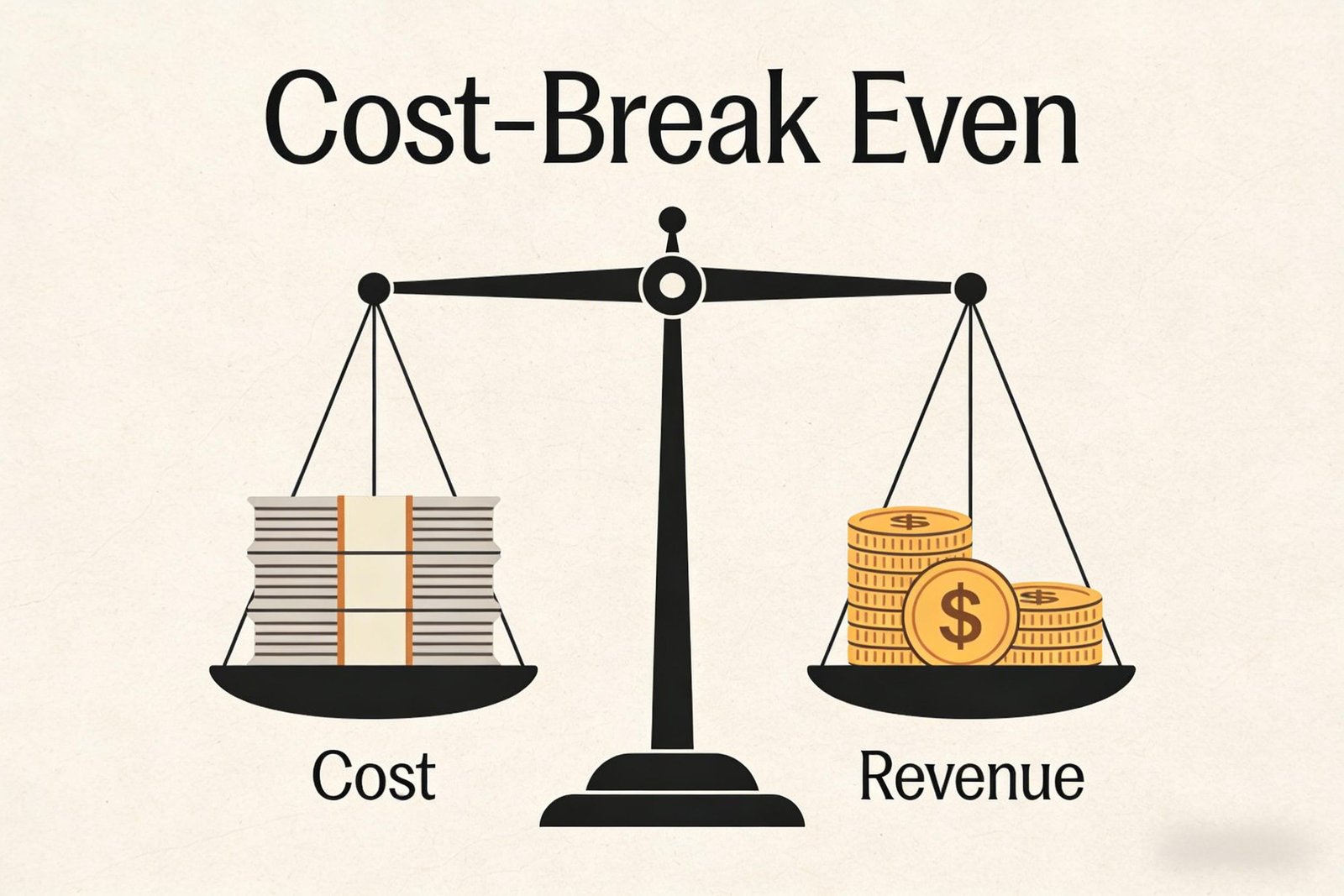
Direct thermal printing generally has lower upfront costs due to less equipment investment. Thermal transfer printing involves higher initial costs but may offer better value over time.
In terms of costs:
- Direct Thermal6: Initial investment around $200 - $1,000 for printers; media costs $0.05 to $0.10 per label. However, frequent replacements of fading prints can add to expenses.
- Thermal Transfer7: Initial investment typically $1,500 - $3,000; media costs $0.10 to $0.25 per label. The longer lifespan often results in better overall value.
A clear cost analysis can help businesses allocate budgets more efficiently.
2.3 Material Compatibility and Print Quality
How do material compatibility9 and print quality vary between these methods? These factors influence overall effectiveness.
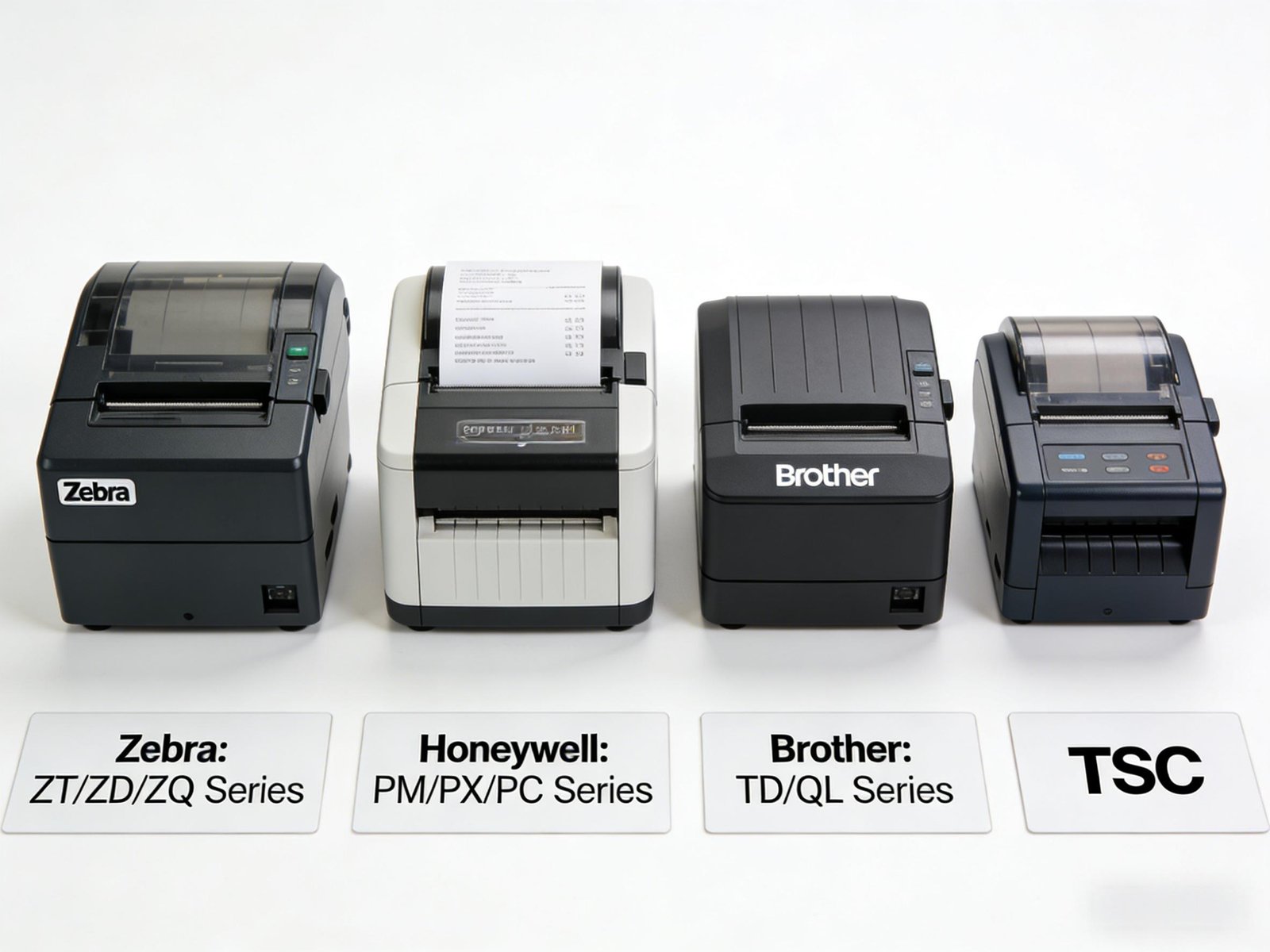
Thermal transfer printing excels in print quality and material versatility, whereas direct thermal is limited primarily to heat-sensitive papers.
 Consider the following:
- Direct Thermal6: Limited to specialized heat-sensitive papers; resolution around 203 DPI, good for general labels but less effective for fine details.
- Thermal Transfer7: Compatible with various materials, including polyester, vinyl, and specialty papers, with resolutions up to 300 DPI, allowing for sharp and high-quality prints.
Choosing the correct method ensures that your labels or prints meet specific application needs.
2.4 Operation and Maintenance
What about the maintenance needs of these printing technologies? Understanding this will impact long-term usability.
Direct thermal printers are easier to operate and maintain, while thermal transfer printers often require more regular upkeep due to ribbon replacements.
When evaluating operation and maintenance10:
- Direct Thermal6: Simple operation with minimal maintenance; no parts to change other than paper rolls.
- Thermal Transfer7: Requires regular ribbon changes (frequently every 500-1,000 prints), and printhead cleaning is necessary to maintain print quality.
Understanding operational needs helps improve efficiency and reduce downtime.
3 How to Choose? A Guide to Application Scenarios
3.1 Decision Flowchart
To assist in decision-making, consider these critical questions for selecting the right technology.
Reflect on your specific needs, budgets, and expected outcomes to guide you to the best printing solution.
How long do the labels need to last?
- Short-term: Consider direct thermal.
- Long-term: Opt for thermal transfer.
Will the labels be exposed to outdoor environments?
- Yes: Choose thermal transfer for durability.
- No: Direct thermal might be sufficient.
What materials do you need to print on?
- Regular paper: Direct thermal works well.
- Plastics or special materials: Go for thermal transfer.
What type of print quality is required?
- Basic labels: Direct thermal is adequate.
- Detailed designs: Thermal transfer provides higher quality.
Is cost a major concern?
- Yes: Direct thermal may save on initial costs.
- No: Consider the long-term investment in thermal transfer.
4 Cost and ROI Analysis
4.1 Initial Investment
What does the initial investment look like for both printing technologies? Understanding costs is essential for budget planning.
Direct thermal printers typically come with a lower initial price tag, making them more accessible for smaller operations. Thermal transfer printers require a higher upfront commitment.
4.2 Operating Costs
How do ongoing operating costs compare? This can greatly influence your long-term financial planning.
Direct thermal printers often incur additional costs due to frequent replacements of fading prints, while thermal transfer printing may have higher ribbon and material costs.
4.3 Investment Return Considerations
What should businesses consider when weighing investment returns? Analyzing this will provide insights into the financial feasibility.
While thermal transfer may have higher upfront costs, its longevity and lower replacement need can offer better ROI compared to direct thermal when used in appropriate scenarios.
5 Conclusion: Making an Informed Investment Decision
Choosing between direct thermal and thermal transfer printing requires careful thought. Each method has strengths and weaknesses based on various applications.
By evaluating their technologies, costs, and ideal use cases, you can make a well-informed decision that aligns with your business needs.
6 My Insights
At PaperLith, we strive to provide tailored labeling solutions that fit your specific business needs. With years of expertise in printing technologies, our team can help you navigate your options and make informed choices about direct thermal or thermal transfer printing solutions.
Discover the advantages of thermal transfer printing and how it can be applied in various industries. ↩
Explore this link to understand the unique features and applications of Direct thermal printing. ↩
Learn about the lifespan of prints and why longevity matters for your printing needs. ↩
Find out how output quality varies between these two printing methods and which is best for your projects. ↩
Understanding durability factors can help you choose the best printing method for long-lasting results. ↩
Explore the benefits of Direct Thermal printing, especially for short-term applications, to make informed decisions. ↩
Learn about Thermal Transfer printing's durability and quality to see if it's the right choice for your needs. ↩
A detailed cost analysis can guide your budget decisions and help you choose the most cost-effective printing solution. ↩
Discover how material compatibility influences print quality to ensure your labels meet application requirements. ↩
Understanding the maintenance requirements can help you choose a printer that fits your operational capabilities. ↩