When it comes to B2B label procurement, understanding the differences between Die-Cut vs. Kiss-Cut labels is crucial. Each type has its unique advantages and applications, tailored to various needs and strategies. This guide will break down the core differences, performance specifications, application scenarios, and the latest manufacturing techniques to help you make informed choices for your labeling needs.
The Core Difference Between Die-Cut vs. Kiss-Cut Labels
What separates die-cut labels1 from kiss-cut labels2? Understanding the core differences is vital for effective label procurement.
Die-cut labels are cut through the backing paper for easy removal, while kiss-cut labels2 are only sliced through the label material, leaving the backing intact. This distinction between Die-Cut vs. Kiss-Cut labels influences handling and application.
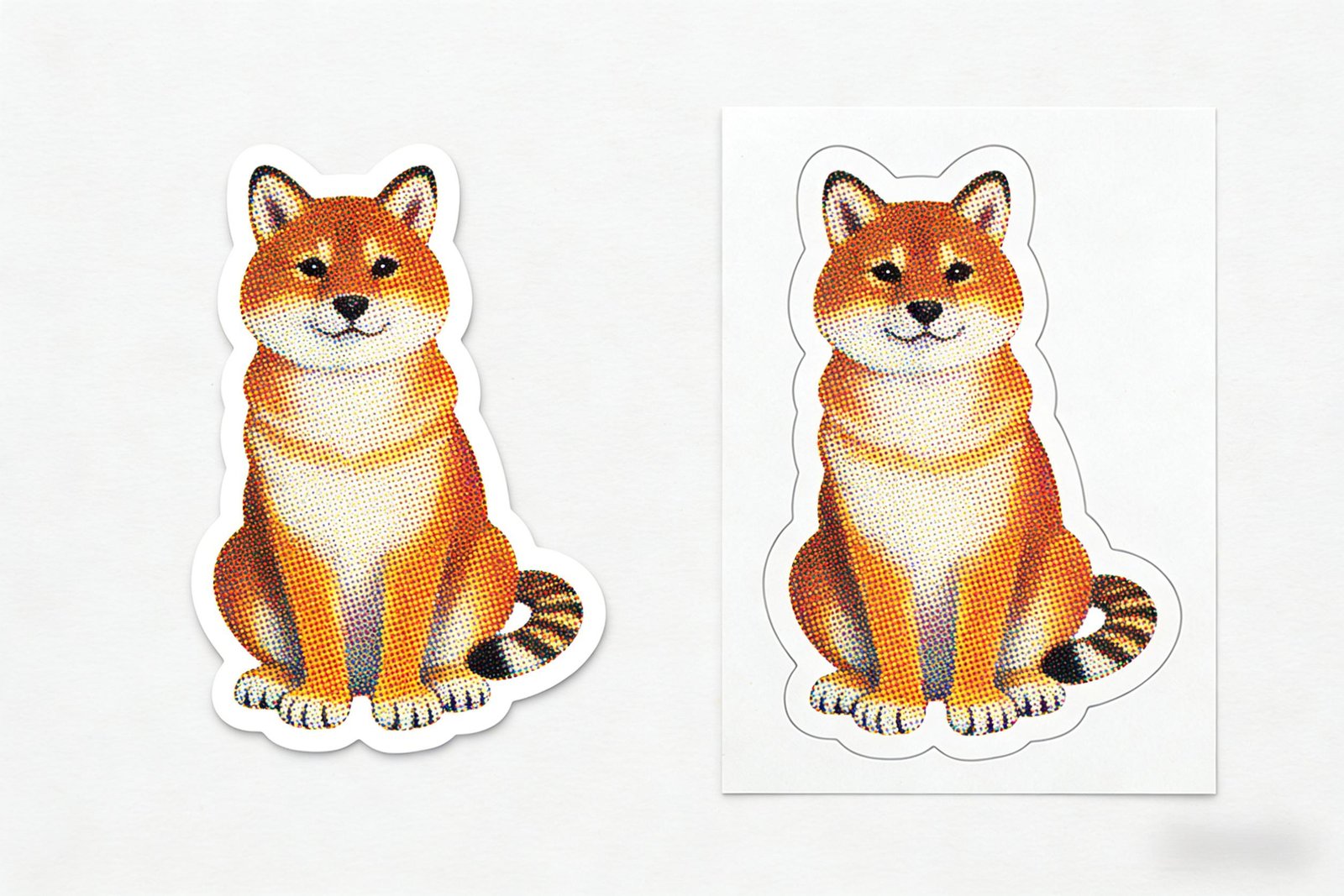
Comparing Die-Cut vs. Kiss-Cut core difference lays the groundwork for informed decisions. Now, let’s explore the technical specifications and performance metrics.
Technical Specifications & Performance Comparison Between Die-Cut vs. Kiss-Cut Labels
How do Die-Cut vs. Kiss-Cut labels stack up in terms of specifications and performance? Let's delve beyond surface features to find out.
Die-cut labels offer clean edges but can be more costly to produce. Kiss-cut labels are economical and provide flexibility, ideal for bulk applications.
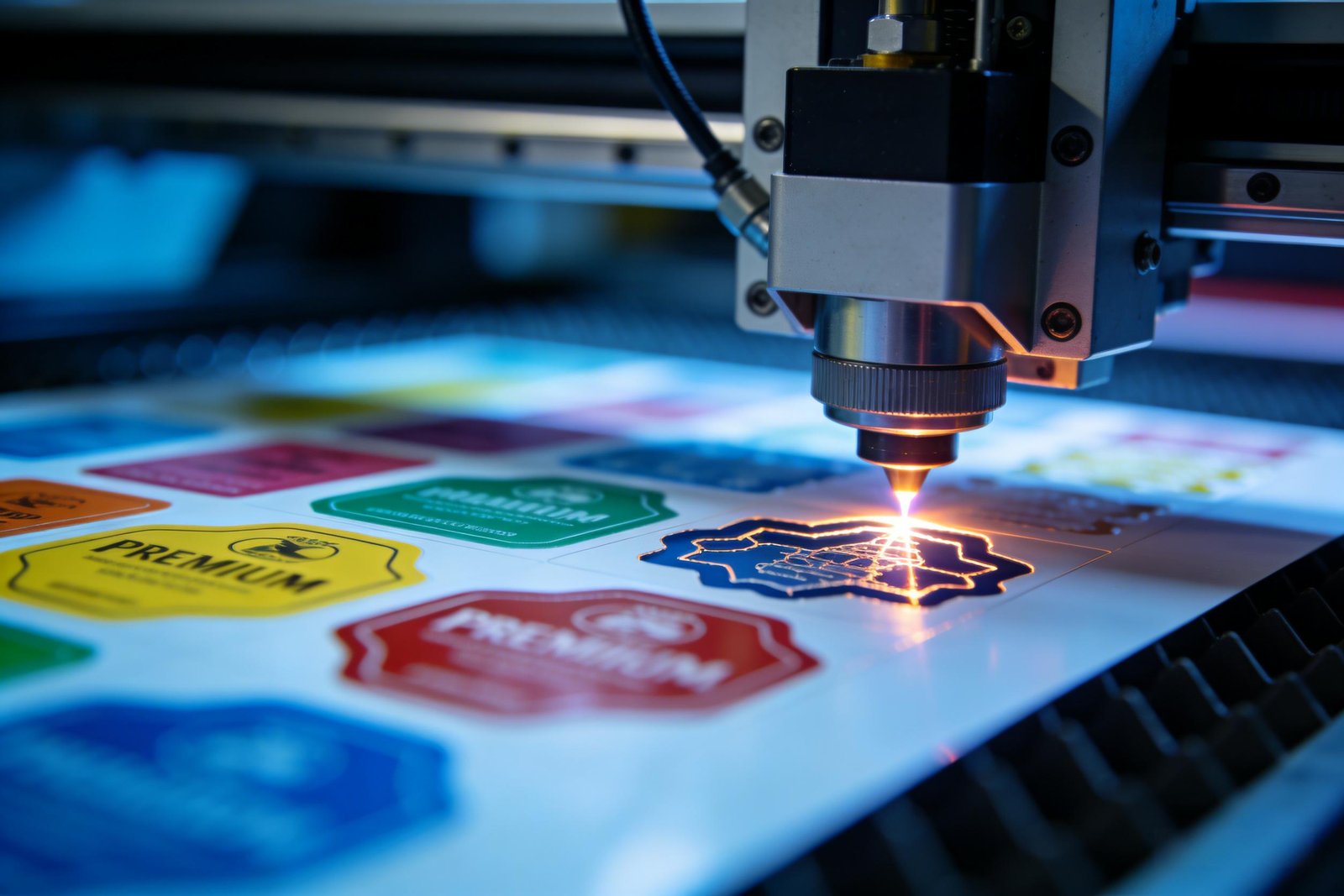
Here’s a summary of how the two Die-Cut vs. Kiss-Cut labels compare on key technical specifications3:
| Features | Die-Cut Labels4 | Kiss-Cut Labels5 |
|---|---|---|
| Cutting Method | Cuts through face and backing | Cuts through face, backing remains intact |
| Cost | Generally higher due to complex die usage | More economical |
| Flexibility | Limited, as individual labels can be harder to handle | High; labels can be repositioned easily |
| Suitable Applications | Premium products needing standout presentation | Bulk production, cost-effective solutions |
| Production Method | Traditional machine die-cutting or Digital Laser Cutting6 | Machine die-cutting or Digital Laser Cutting6 |
| Thickness | Typically 0.25mm (approx. 10 mil) - 0.5mm (approx. 20 mil) | Typically 0.1mm (approx. 4 mil) - 0.3mm (approx. 12 mil) |
| Adhesive Type | Various adhesives for durability | Standard adhesive suitable for most surfaces |
| Finish | Can have specialty finishes (gloss, matte) | Usually standard finishes, customizable |
When it comes to cutting techniques, Digital Laser Cutting6 offers precision and flexibility compared to traditional mechanical dies. For example, laser cutting can handle intricate designs without the need for a physical die, which may involve higher setup costs. Traditional methods might incur higher costs and longer lead times due to die fabrication.
When to Choose Die-Cut vs. Kiss-Cut Labels? (Strategic Application Scenarios)
When should you choose die-cut over kiss-cut labels7 and vice versa? Selecting the right type requires understanding their strategic applications.
Choose die-cut labels8 for premium products needing high visibility. Opt for kiss-cut labels7 when printing large volumes for cost efficiency and flexibility.
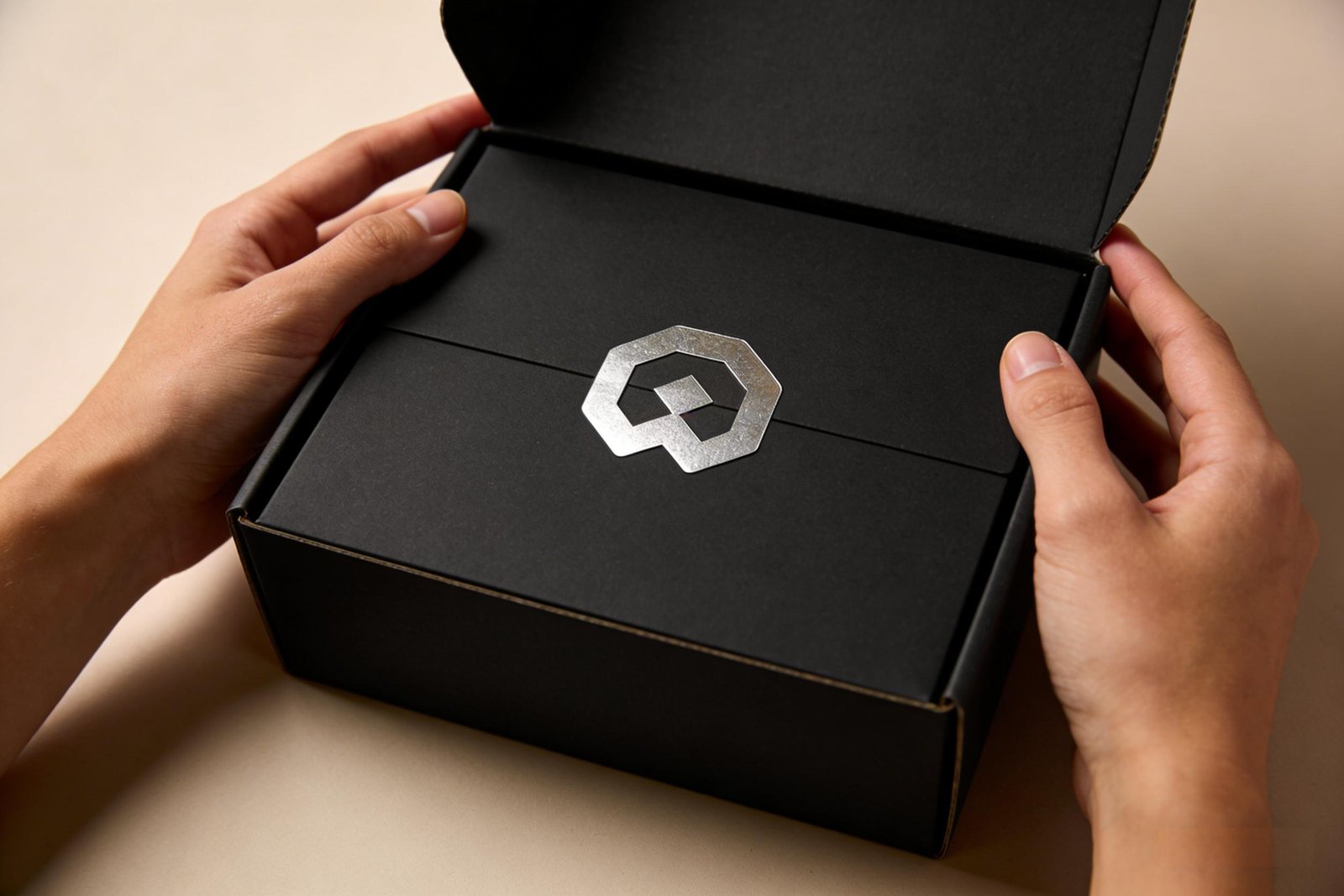
Here are some scenarios that clarify the best uses for Die-Cut vs. Kiss-Cut labels:
| Application Scenario | Recommended Label Type |
|---|---|
| Product Launches | Die-Cut; high visibility enhances unboxing experience |
| Large Scale Promotions | Kiss-Cut; economical for bulk printing |
| Special Events | Die-Cut; enhances visual appeal in premium packaging |
| Standard Shipping | Kiss-Cut; simplifies bulk handling |
Understanding these scenarios for Die-Cut vs. Kiss-Cut labels helps buyers align labeling choices with business objectives, ensuring efficiency and effectiveness in procurement.
Why B2B Buyers are Shifting to Kiss-Cut Sheets
Why is there a noticeable trend in B2B buyers shifting to kiss-cut sheets9? Understanding the factors behind this shift can guide your procurement strategies.
The shift towards kiss-cut sheets9 among B2B buyers stems from their cost-effectiveness, versatility, and ease of application in high-volume orders.
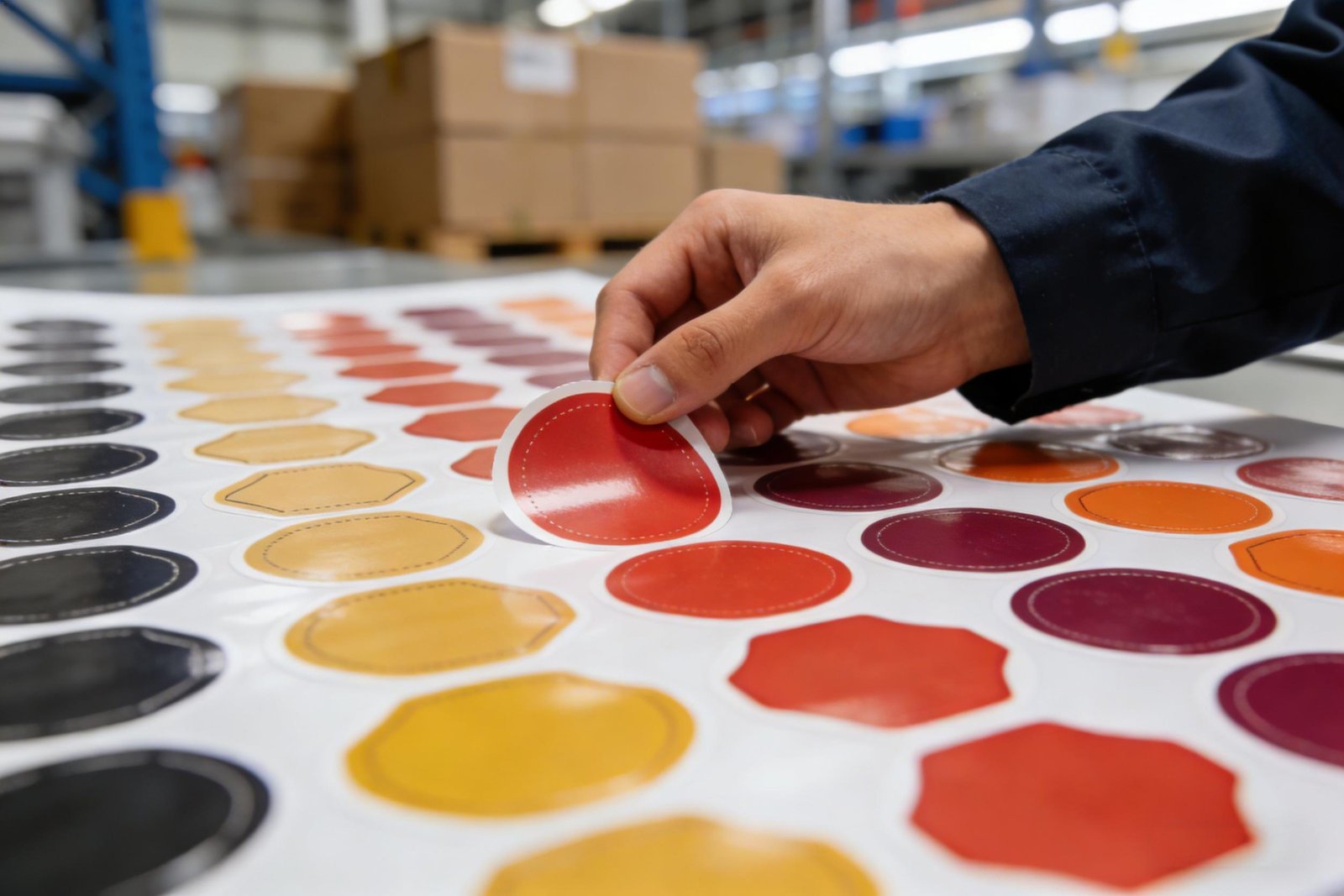
The increasing popularity of kiss-cut sheets9 in B2B procurement can be attributed to several key factors:
Cost Efficiency10: With lower production costs, kiss-cut labels reduce overall branding expenses, allowing companies to allocate resources to other crucial areas.
Ease of Application: Kiss-cut labels come on a single sheet, making them easier to handle and apply, especially in bulk scenarios.
Versatile Uses: Their adaptability makes kiss-cut labels suitable for a range of applications, from packaging to promotional materials.
Ultimately, the choice of Die-Cut vs. Kiss-Cut depends on both cost and operational efficiency.
Conclusion
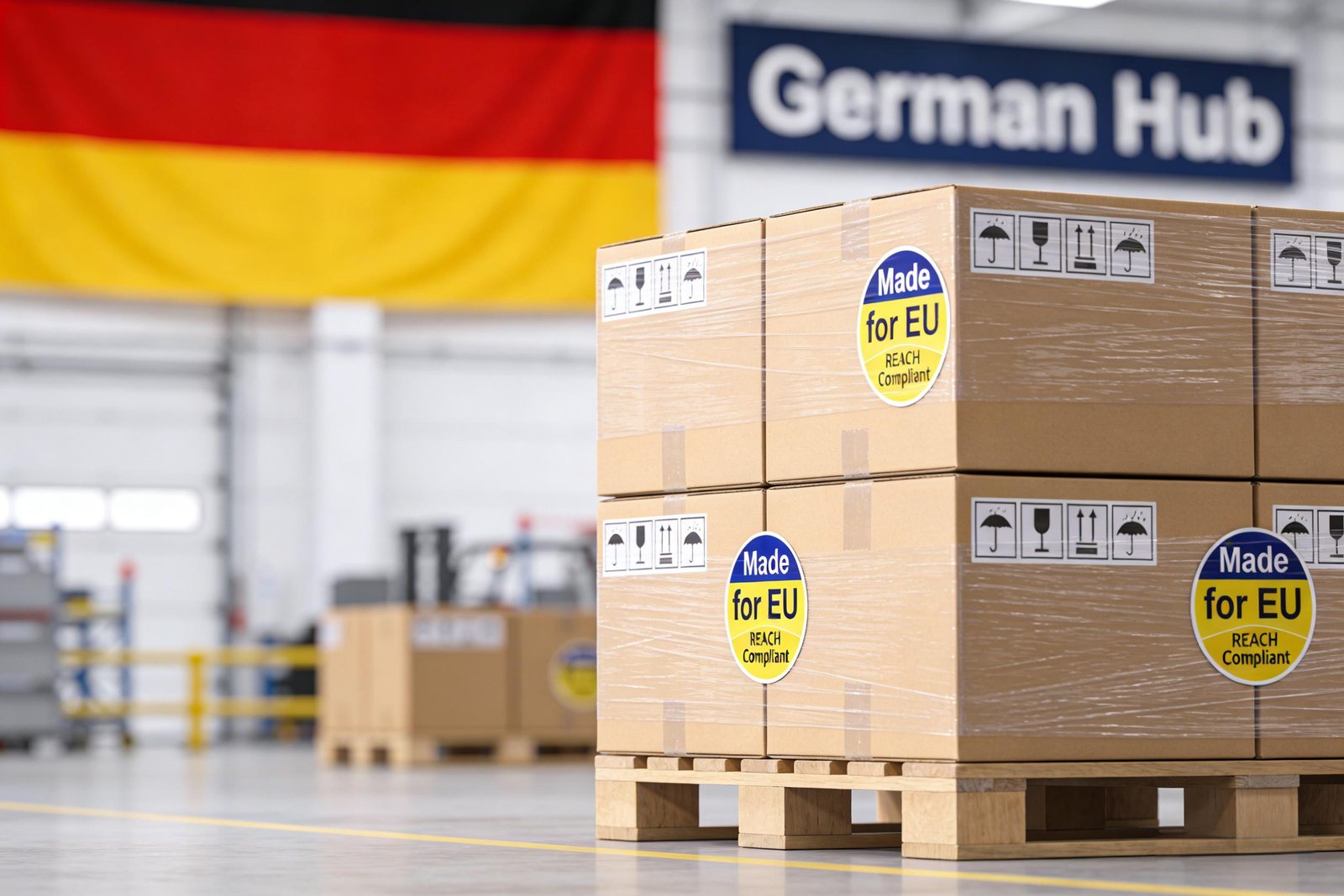
Interested in sustainable options? Check out our Custom labels for your business. Understanding the distinctions between Die-Cut vs. Kiss-Cut labels allows B2B buyers to make informed procurement decisions that align with their strategic goals. Kiss-cut labels are increasingly favored for their cost-effectiveness, while die-cut enhances unboxing experiences with a premium touch. This efficiency advantage, combined with our localized warehousing in Germany, significantly shortens your delivery times.
My Insights: The PaperLith Perspective
At PaperLith, we recognize the importance of tailoring labeling solutions to meet diverse business requirements. Our materials comply with EU REACH and FDA standards, ensuring safety and quality for our clients. The choice between Die-Cut vs. Kiss-Cut labels can significantly impact branding and efficiency. With our expertise, we help clients navigate these options to find the best fit for their needs. Embracing these innovations enables businesses to enhance their product identities and operational workflows.
Explore this link to understand the benefits and applications of die-cut labels in various industries. ↩
Discover the unique features and uses of kiss-cut labels to enhance your labeling projects. ↩
Understanding technical specifications is crucial for choosing the right labels for your needs. ↩
Explore the benefits of Die-Cut Labels to understand their premium quality and applications in various industries. ↩
Learn about Kiss-Cut Labels to see how they can save costs while providing flexibility for bulk applications. ↩
Discover how Digital Laser Cutting enhances precision and reduces costs in label production. ↩
Learn about kiss-cut labels and their cost efficiency for large volume printing, perfect for budget-conscious businesses. ↩
Explore this link to understand the advantages of die-cut labels for premium products and their impact on visibility. ↩
Explore this link to understand the benefits and applications of kiss-cut sheets in B2B, enhancing your procurement strategies. ↩
Discover insights on cost efficiency in B2B procurement, helping you make informed decisions for your business. ↩