Linerless labels are emerging as a solution to the growing concerns around waste and efficiency. With the demand for sustainable practices skyrocketing, businesses are actively seeking to minimize their environmental footprint. Linerless labels not only reduce waste but also improve operational efficiency by allowing for a more compact design. This innovation is being embraced across multiple sectors, including retail, logistics, and healthcare, reflecting a broader shift towards sustainable practices in packaging.
What Are Linerless Labels?
Core Definition
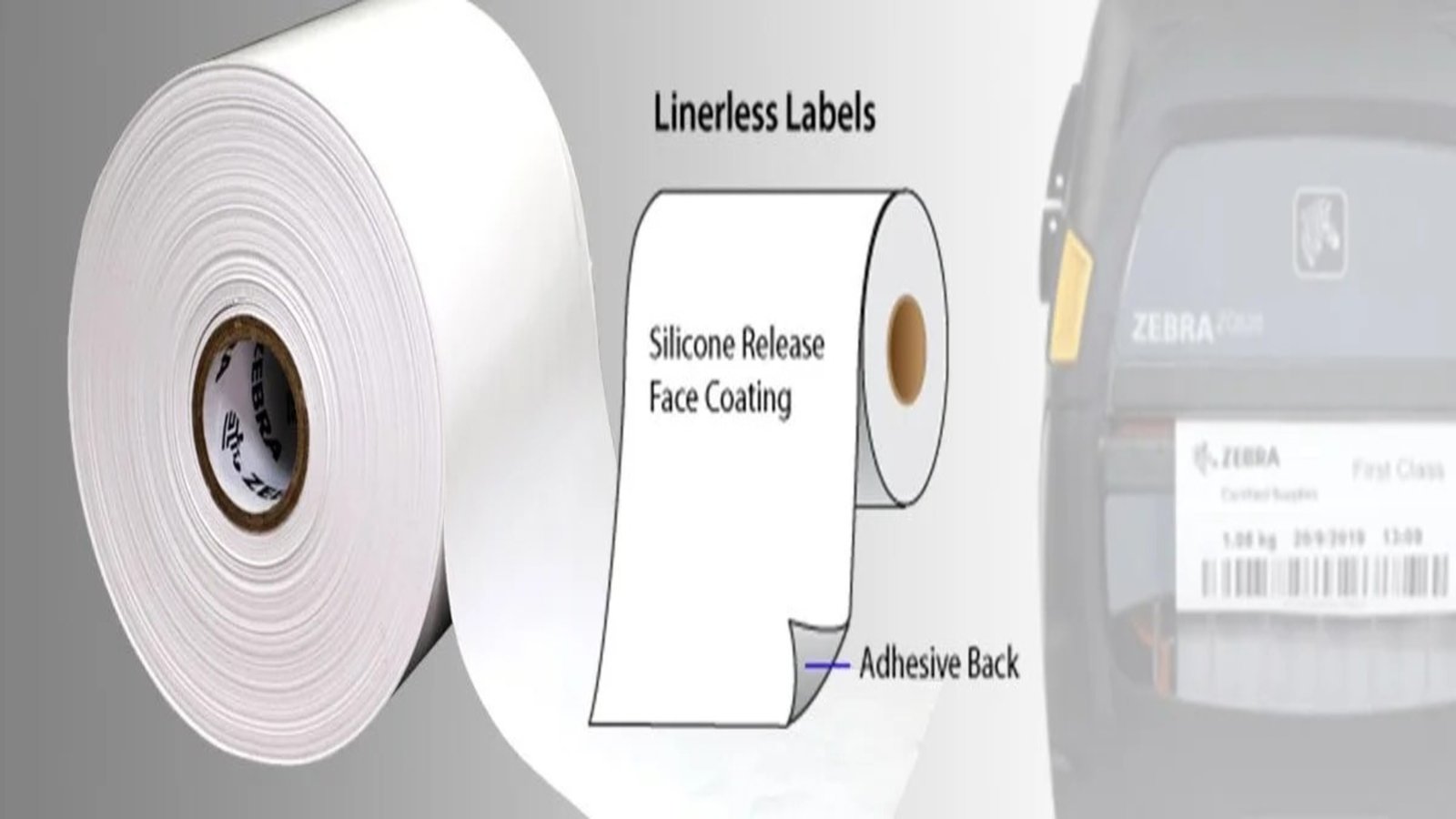
Linerless labels are self-adhesive labels that do not come with a backing paper. This unique feature allows for more efficient use of materials and simplifies the labeling process. The absence of a liner means that these labels can be rolled more compactly, which saves space in storage and reduces transportation costs.
Technical Principle
Linerless labels incorporate several key technical innovations that enhance their functionality:
Anti-Stick Coating1
The anti-stick coating is a vital feature that prevents the labels from sticking to each other in the roll. This coating reduces friction between layers, ensuring smooth dispensing and application. It also facilitates easy handling by users, allowing for quick and efficient label application without the risk of tearing or jamming.Tear Line Design2
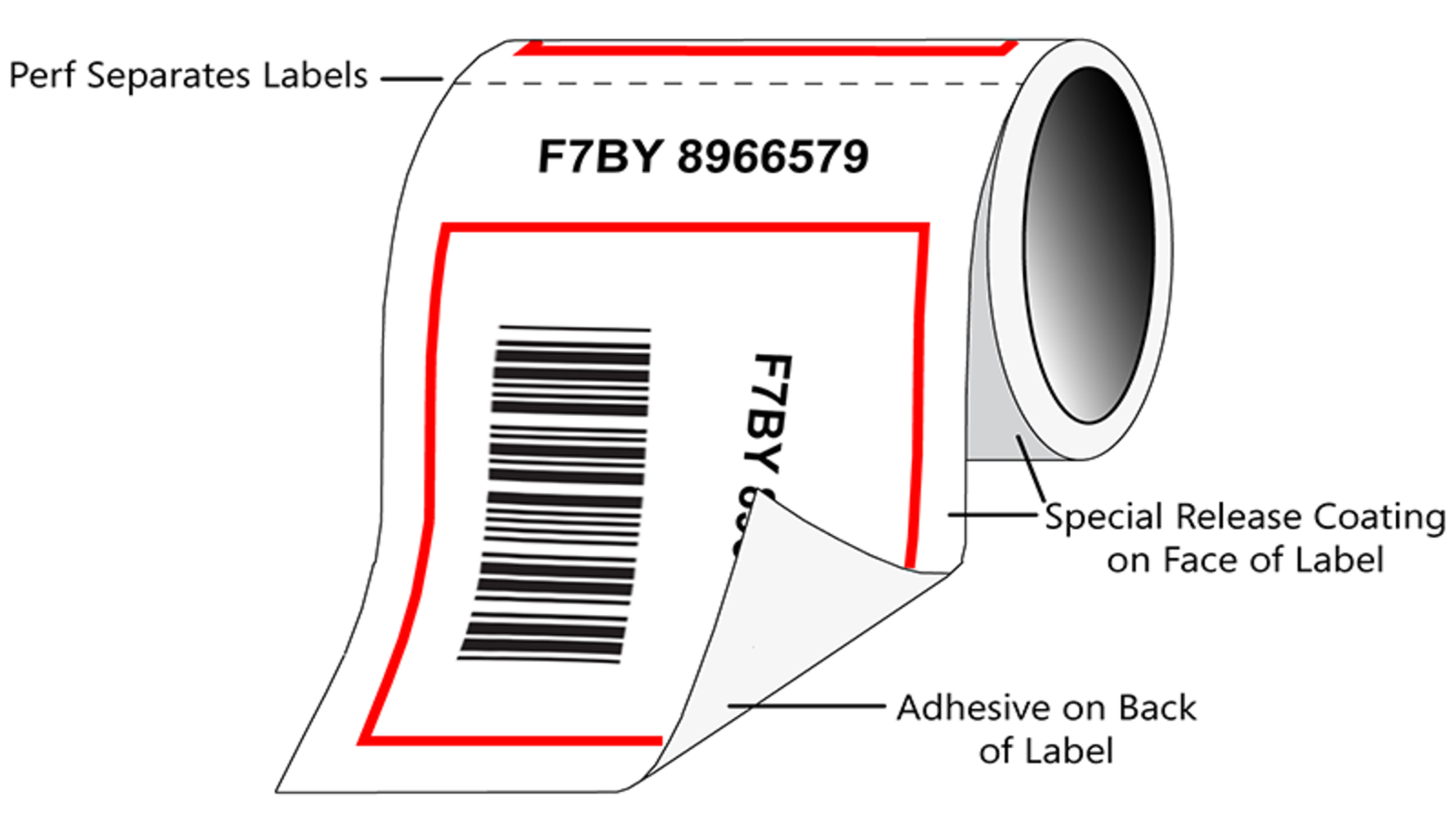
Linerless labels often feature a specialized tear line design that allows users to easily separate individual labels from the roll. This design simplifies the peeling process, making it straightforward to apply each label when needed. The tear line helps to maintain the integrity of the other labels on the roll, ensuring they remain undamaged and ready for use.Direct Thermal Compatibility3
Many linerless labels are designed to be compatible with direct thermal printing technology. This means that the labels can be printed using heat-sensitive materials, which eliminates the need for ink or ribbon. As a result, businesses can reduce their operational costs while benefiting from high-quality printing that is both quick and efficient.
Direct Comparison with Traditional Labels
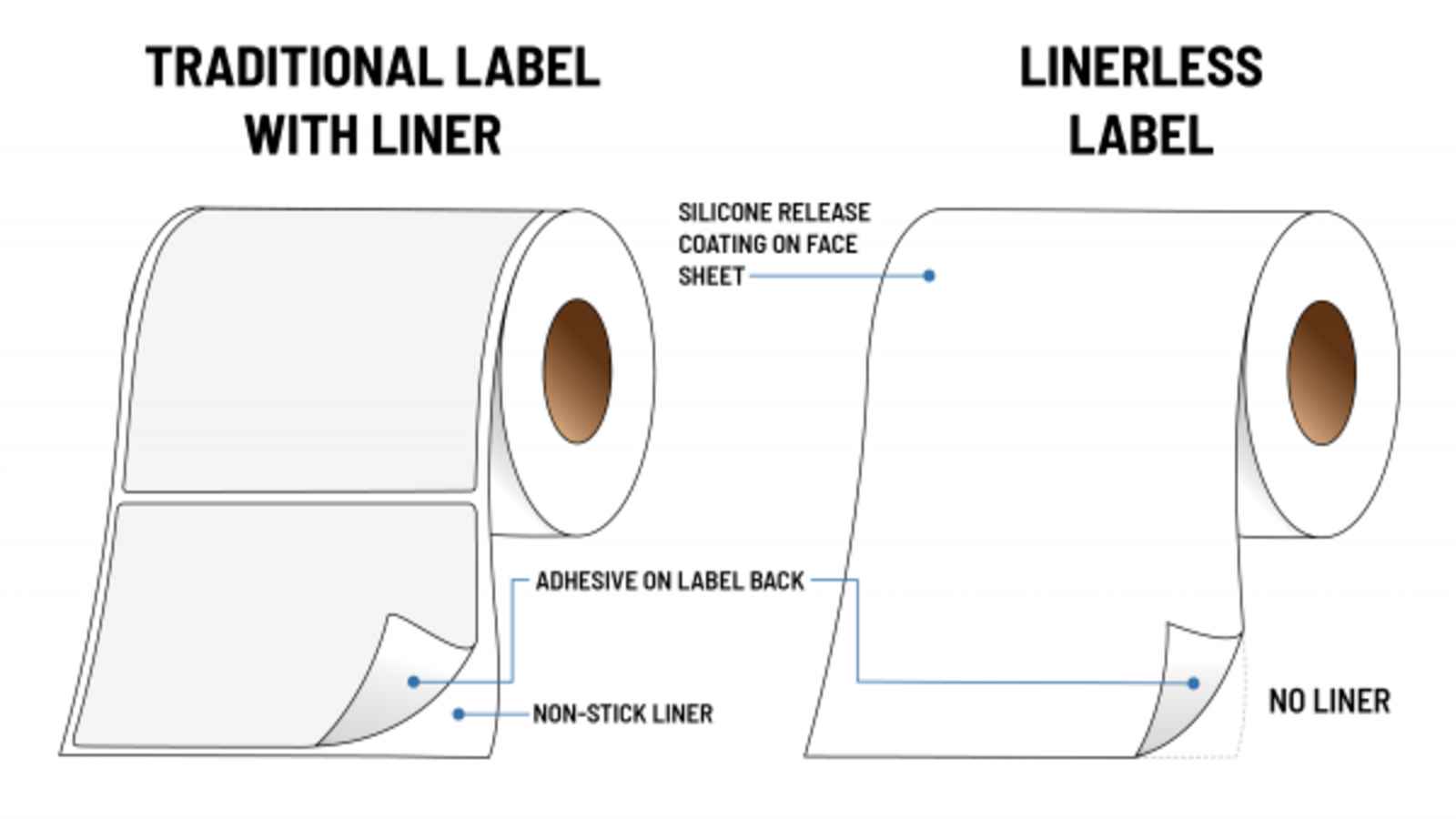 Here’s a detailed comparison between linerless labels and traditional labels, highlighting specific quantified data:
| Feature | Traditional Labels | Linerless Labels |
|---|---|---|
| Layer Structure | 3 Layers: Face stock, Adhesive, Liner | 2 Layers: Face stock, Adhesive |
| Waste Generation Ratio4 | 30% - 40% waste from liner paper | Less than 5% waste |
| Labels per Roll | Approximately 1,500 labels per roll | Up to 3,000+ labels per roll |
| Roll Diameter | 5 inches (average with liner) | 3 inches (more compact due to no liner) |
| Material Used | 100 grams of total material | 70 grams of total material |
| Application Time | 2 seconds per label | 1 second per label |
| Storage Space Required | Greater due to larger sizes | Less required due to compactness |
| Cost of Waste Disposal | Higher costs associated with disposal | Reduced disposal costs |
Manufacturing Process and Technical Keys
Core Production Process
Coating Process
The first step involves applying adhesive on the backside of the substrate, which can be thermal paper or PET film. On the front side, a silicone anti-stick layer is coated. This dual coating ensures that the adhesive performs effectively while preventing the labels from sticking to each other during storage and application.Nitrogen-Free Technology5
A new production technique has been introduced that utilizes nitrogen-free protective curing for the adhesive. This innovative process significantly reduces energy consumption during manufacturing, making it more environmentally friendly and cost-effective. By eliminating the need for nitrogen, we streamline production while adhering to sustainability goals.Tear Line Die-Cutting6
Using precision molds, tear lines are created between the labels. This die-cutting process results in easy-to-pull tabs, allowing users to separate labels effortlessly. The tear line design not only enhances user experience but also maintains the integrity of adjacent labels.
Material Selection
Substrate Types
The most commonly used substrates include thermal paper, which holds the largest market share, along with synthetic films such as polyethylene (PE) and polypropylene (PP). Composite materials may also be used, depending on specific application requirements. Each substrate type offers unique benefits in terms of durability, print quality, and suitability for different environments.Adhesives
Environmentally friendly options are prioritized when selecting adhesives. Water-based pressure-sensitive adhesives are widely used, along with hot melt adhesives suitable for various surfaces. The choice of adhesive must align with the specific adhesion requirements of the application to ensure optimal performance.
Quality Control Standards
Adhesion Strength7
It is critical to maintain high standards for adhesion. The 180° peel strength must be greater than or equal to 5.0 N/25mm. This ensures that the labels adhere firmly to the intended surfaces throughout their lifecycle.Anti-Stick Properties
The release force is another important quality metric. A release force of less than or equal to 0.20 N/25mm is required to ensure smooth unwinding of the labels from the roll. This prevents jamming and improves efficiency during application.Durability
The durability of the labels is assessed by testing their stickiness retention. The labels must exhibit adhesion lasting at least 5 hours, with a residual adhesion rate of greater than or equal to 80%. This guarantees that the labels perform effectively, even after extended periods.
Mainstream Linerless Label Types and Application Scenarios
Categorized by Substrate
Linerless labels can be categorized based on the substrate material used, particularly focusing on the following industries:
Retail Industry8:
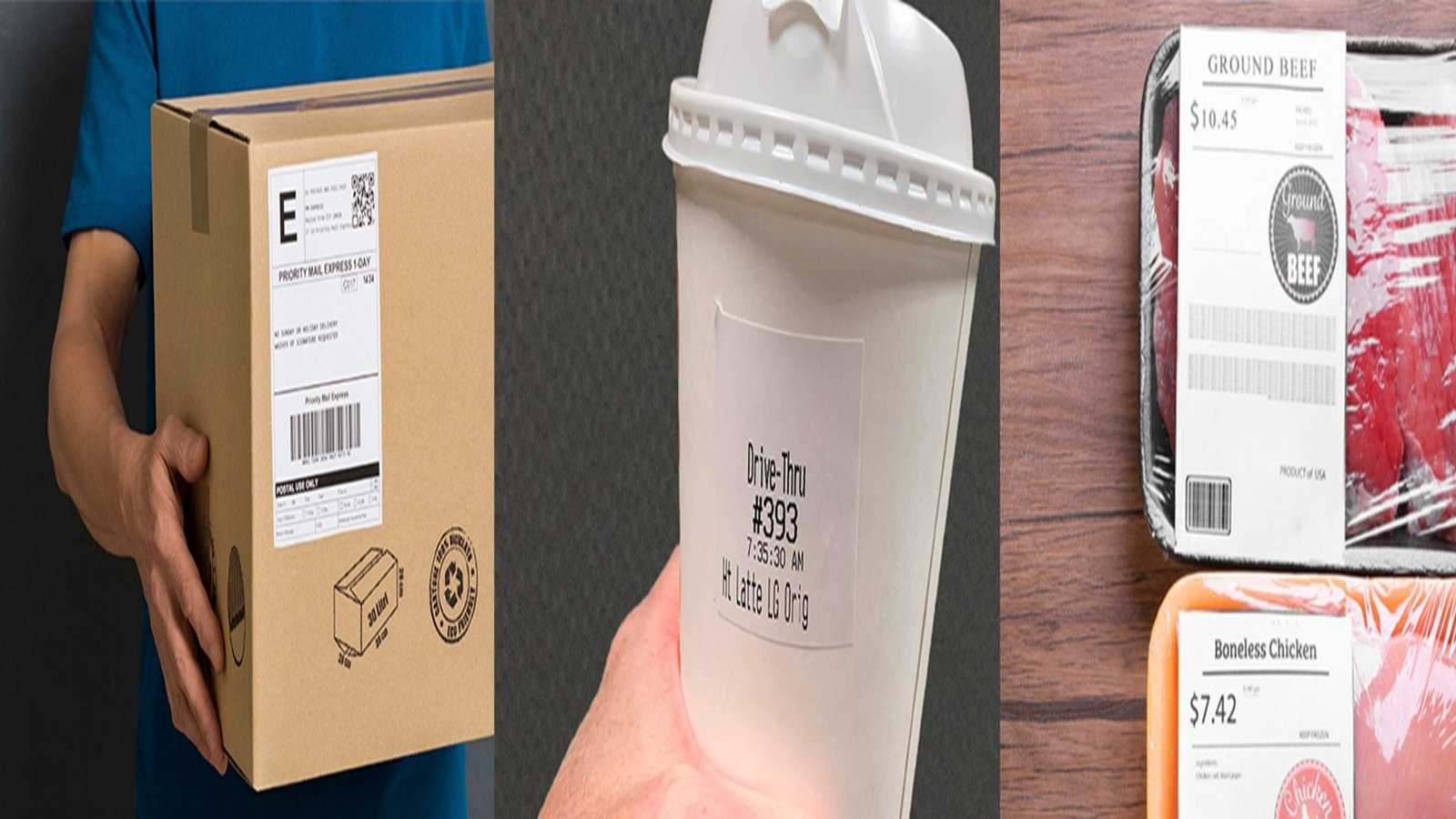
In retail, linerless labels made from paper or synthetic substrates are often used for product labeling and price tags. They allow for vibrant, high-quality prints that are essential for attracting customers.Logistics Industry9:
For logistics, durable film substrates are preferred due to their resistance to moisture and tearing. These labels ensure that barcodes remain readable throughout the supply chain, improving inventory management.Medical Field:
In healthcare, linerless labels made from hypoallergenic materials are crucial for labeling medical supplies and medications. They must meet stringent safety standards while providing clear and accurate information.
Categorized by Function
Linerless labels are also categorized based on their intended functions:
- Shipping Labels: Used in logistics and transportation to provide critical tracking information.
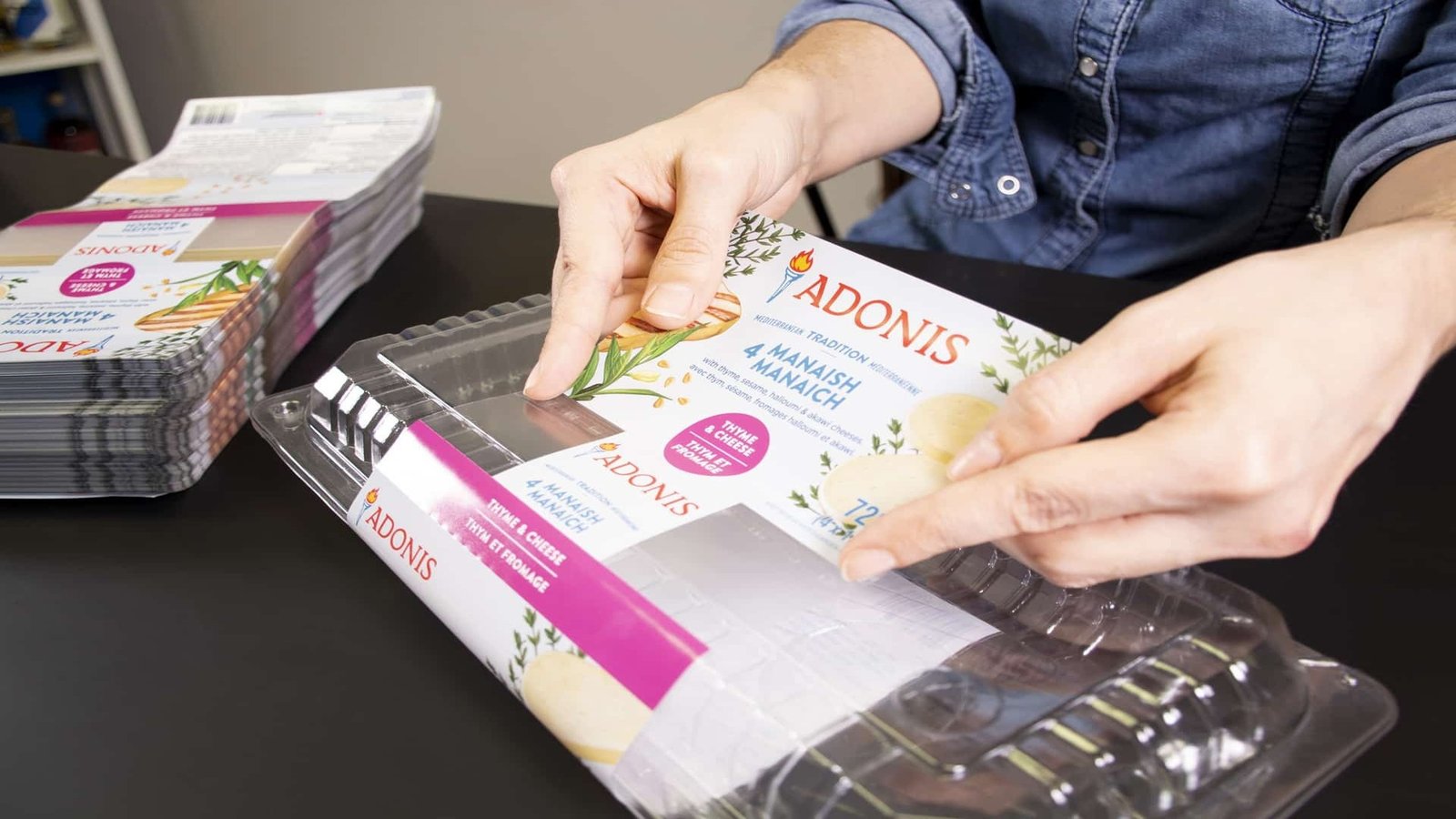
- Product Labels: Applied directly to retail packaging or products to communicate essential details like ingredients and pricing.
- Food Labels: Designed for use in the food industry, adhering to safety regulations regarding labeling.
Prominent Advantages and Current Limitations
Core Advantages Analysis
Linerless labels offer several significant advantages:
- Reduced Material Waste10: By eliminating the liner, the overall waste generated is drastically reduced.
- Increased Efficiency: The continuous roll design allows for faster application processes, saving time and labor costs.
- Cost Savings: Lower material costs translate into savings for businesses while improving their sustainability practices.
Current Limitations
However, there are some limitations to consider:
- Printer Compatibility11: Not all printers can handle linerless labels, requiring investment in specialized equipment.
- Adhesive Challenges: In certain environments, the adhesive may not perform as well compared to traditional labels.
- Market Familiarity: Some businesses may still be unfamiliar with the technology, leading to hesitance in adoption.
Recommended Printer Models
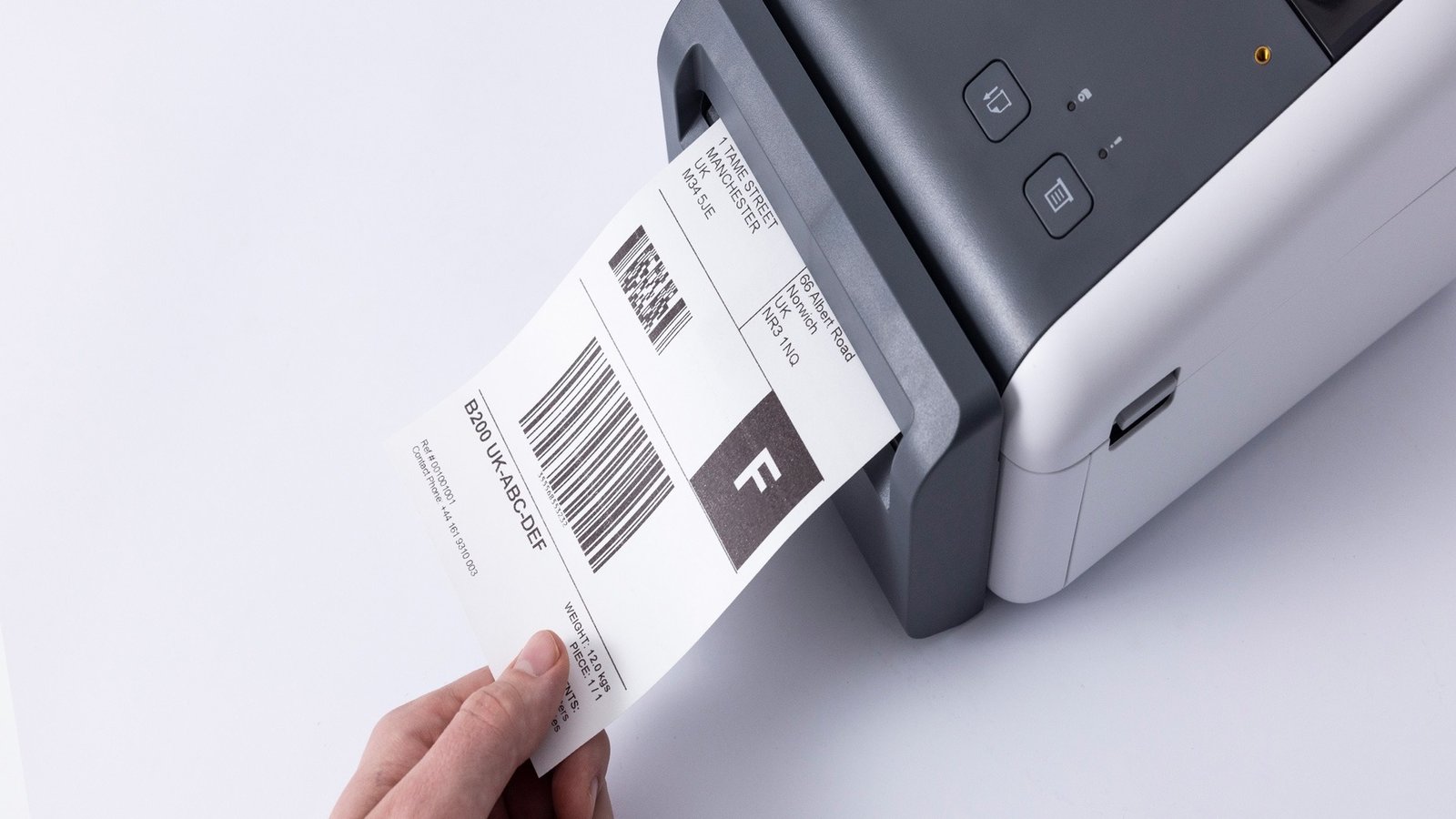
Selecting the right printer for linerless labels is essential for achieving optimal results. Here are some recommended models that work well for this application:
Honeywell PC43t: Designed for high efficiency and quality printing. This model supports various label formats, including linerless labels, making it versatile for different applications.
Zebra ZD620: Known for its reliability and advanced printing options. It offers fast print speeds and has a compact design, which is ideal for retail and logistics.
Bixolon SPP-R200: A mobile printer that is excellent for on-the-go label printing, especially in logistics and retail environments. It handles linerless labels efficiently, ensuring quick application.
Future Trends and Summary
Technology Development Directions
The future of linerless labels will likely focus on advancements in adhesive technology, allowing for improved performance in various applications. Innovations in printing technology will also enhance compatibility and efficiency.
Market Prospects
As sustainability continues to be a priority for businesses globally, the market for linerless labels is expected to grow significantly. Companies looking to adopt greener practices will find linerless labels an appealing option.
Summary and Recommendations
In summary, linerless labels represent a valuable innovation in the labeling industry. Despite certain limitations, their environmental benefits and efficiency make them a compelling choice for many applications. Businesses should explore this technology to align their practices with modern sustainability goals.
My Insights
In working with numerous clients at PaperLith, I have witnessed the transformative impact of linerless labels. Many businesses have found that adopting this technology not only enhances their operational efficiency but also allows them to make substantial strides toward sustainability. As companies continue to explore eco-friendly practices, linerless labels stand out as a forward-thinking solution that aligns with the future of packaging and labeling.
Explore this link to understand how anti-stick coatings enhance label functionality and efficiency. ↩
Learn about the tear line design and its benefits for easy label application and handling. ↩
Discover how direct thermal compatibility can save costs and improve printing efficiency for businesses. ↩
Find out how linerless labels significantly reduce waste generation compared to traditional labels. ↩
Explore this link to understand how Nitrogen-Free Technology enhances sustainability and reduces energy consumption in production. ↩
Discover how Tear Line Die-Cutting improves user experience by making label separation easier and more efficient. ↩
Learn about the importance of Adhesion Strength in ensuring labels adhere properly and maintain quality throughout their lifecycle. ↩
Explore this link to understand how linerless labels enhance product visibility and customer engagement in retail. ↩
Discover how linerless labels can streamline operations and ensure accurate tracking in logistics. ↩
Exploring this link will provide insights into how reducing material waste can enhance sustainability and efficiency in packaging. ↩
This resource will help you understand which printers work best with linerless labels, ensuring optimal performance and investment. ↩