
Navigating the complexities of label materials can be overwhelming, especially for wholesalers. The shift toward BPA-free labels represents a crucial safety promise in product labeling that can enhance consumer trust.
Bisphenol A (BPA) is a chemical commonly found in traditional label production, posing potential health risks. The demand for BPA-free labels is critical for wholesalers wanting to provide safer, compliant options for their customers.

Understanding BPA’s implications is vital for label wholesalers. Let’s delve into the specifics that set BPA-free labels apart and why they are essential for today’s market. Missing this knowledge could hinder your ability to offer compliant, safe products.
Understanding BPA: Tracing the Use of Bisphenol A in Traditional Labels and Its Potential Risks
BPA's prevalence in traditional labels is significant. The implications of its use extend far beyond mere production convenience, affecting health, safety, and compliance.
The usage of BPA in manufacturing adhesives, coatings, and inks for labels enhances durability. Yet, emerging evidence links BPA exposure1 to serious health issues, making BPA-free alternatives2 increasingly desirable for modern consumers.

Bisphenol A (BPA) is a versatile chemical, prized for its strength and durability in label adhesives and coatings. However, its potential health risks are garnering significant attention. According to research by the National Institute of Health, BPA exposure1 has been linked to endocrine disruption, which can lead to reproductive health issues3 and other serious conditions.
This concern is particularly poignant for vulnerable populations, including children and pregnant women, emphasizing the need for wholesalers to reassess their inventory and product offerings. Ensuring that labels are BPA-free not only meets consumer safety concerns but also aligns with increasing regulatory pressures across nations.
Health Risks Associated with BPA:
- Reproductive Toxicity: BPA has been associated with infertility and developmental issues in offspring.
- Endocrine Disruption: The chemical’s estrogen-mimicking properties can interfere with hormonal balance.
- Immune System Impact: Emerging studies suggest BPA may compromise immune responses, particularly in children.
- Developmental Concerns: Infant exposure may lead to long-term cognitive and behavioral issues, prompting concern for parents.
By highlighting these risks, wholesalers can better inform their clients and align their product offerings with consumer preferences.
Technical Breakthroughs: Material Selection and Production Process Innovations for Achieving BPA-Free Labels
Advanced material science is fundamental to the transition to BPA-free labels. Innovations are paving the way for safety without sacrificing quality.
Biocompatible materials, such as plant-based polymers and synthetic adhesives, are now viable alternatives to traditional BPA-related options, enabling the creation of high-quality, eco-friendly labels.
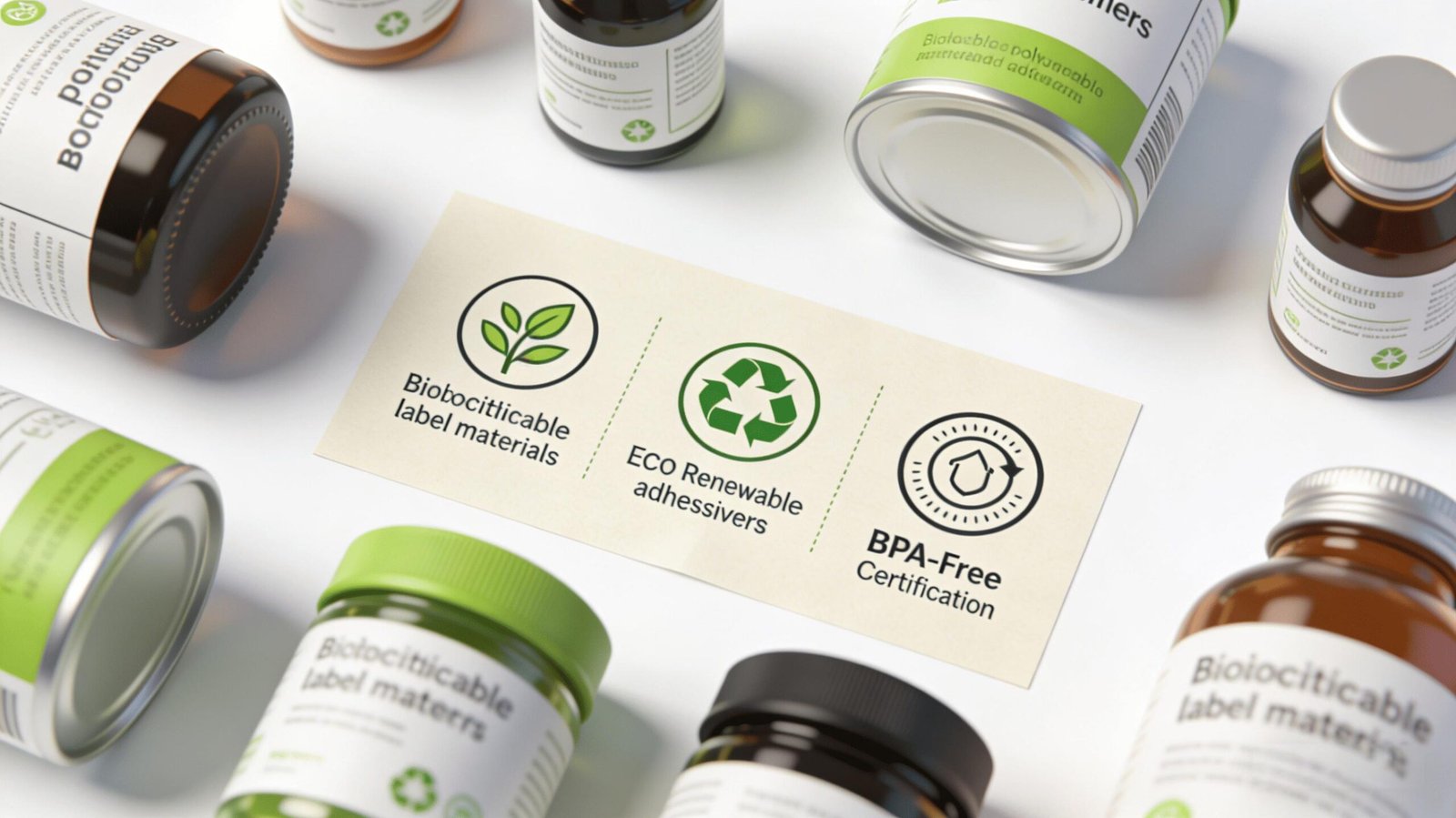
The rapid growth in the demand for BPA-free labels has spurred innovative materials that fulfill both functional and safety criteria. Leading manufacturers such as PaperLith are exploring bio-based polymers derived from corn, sugarcane, and other renewable sources, which not only reduce pollution but also maintain performance characteristics similar to conventional labels.
Investing in water-based or solvent-free adhesive formulations4 is another substantive shift. These alternatives eliminate the health hazards associated with traditional solvents while ensuring robust adhesion, a crucial feature for effective labeling. For instance, development in pressure-sensitive adhesives has led to products that maintain excellent bonding strength across various surfaces while being free from harmful components.
Adopting these materials requires a close look at production methods as well. Advanced extrusion and eco-friendly production techniques can significantly enhance sustainability, meeting both consumer expectations and legal standards.
Here’s a comparison of some promising materials:
| Material Type | Attributes | Applications |
|---|---|---|
| Plant-Based Polymers | Biodegradable, excellent durability | Food and beverage labels, product safety |
| Synthetic Adhesives | Strong bonding, low toxicity | Retail labels, shipping labels |
| Recyclable Papers | Customizable, eco-friendly | General product labeling |
Wholesalers that adapt to these technical advancements will be better positioned to serve a marketplace increasingly driven by sustainability and health concerns.
Laws and Policies: Regulations Concerning BPA in Europe and the United States
As regulations tighten, understanding BPA laws becomes essential. Staying updated ensures wholesalers can advise their clients about compliant labeling options.
The European Union's regulation (EU) 2024/3190 bans BPA in food contact materials effective from 2025, while U.S. statutes like CA65 set limits on its usage in consumer products.

European regulators have increasingly focused on BPA in their legislative actions. Regulation (EU) 2024/3190 represents a decisive step against its usage in food contact materials, meaning that any labels intended for food packaging must be entirely free of BPA. This regulation not only bans BPA but also imposes stringent limitations on the use of other bisphenols, ensuring that only safe alternatives reach the market.
In the United States, the FDA's regulations surrounding BPA usage remain stringent, particularly in states like California, which enforces Proposition 655. This law requires that products containing BPA over a specific threshold must carry a warning label, creating pressure for manufacturers to find viable, safer alternatives.
Key Regulatory Frameworks:
| Region | Regulation/Standard | Key Aspects |
|---|---|---|
| European Union | EU Regulation 2024/31906 | Complete ban on BPA in FCMs, restrictions on other bisphenols |
| United States | CA65 | Labeling required for products with BPA over specific limits |
| Japan | Food Safety Standard | Strict limits on BPA migration in food packaging |
| South Korea | Food Containers and Packaging Standard | BPA restrictions in food products7 |
These changing dynamics underscore the need for wholesalers to prioritize BPA-free labels8, ensuring compliance and appealing to health-conscious consumers.
Performance Comparison: Analyzing the Advantages of BPA-Free Labels in Durability, Adhesion, and Safety
BPA-free labels9 are emerging as the superior choice in performance metrics. The shift not only fulfills safety standards but also enhances overall product quality.
BPA-free labels9 demonstrate improved durability and adhesion10, making them an attractive option for wholesalers aiming to provide the best products to their clients.
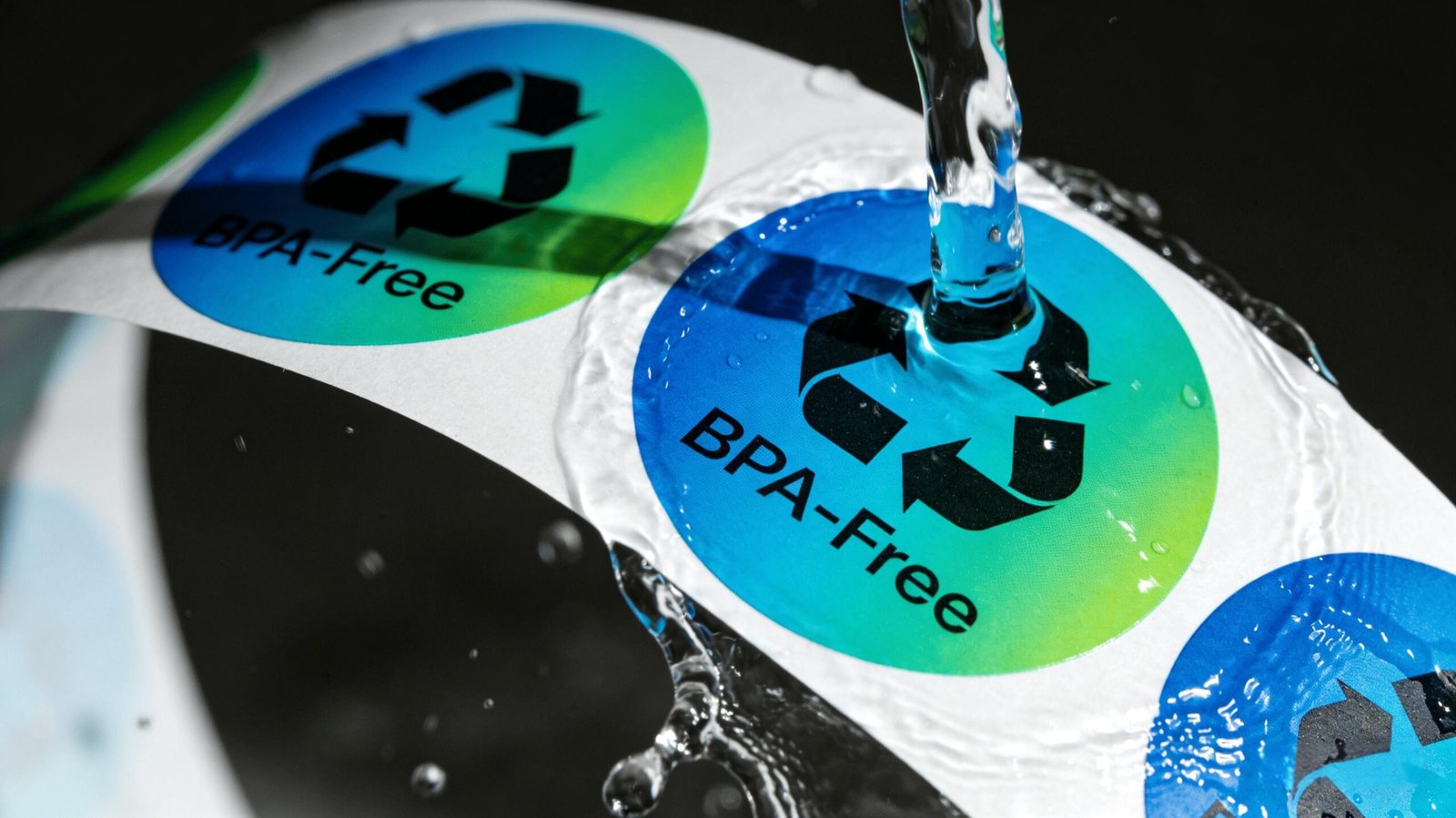
Wholesalers must recognize that BPA-free labels9 often outperform traditional options in durability and adhesion10. These labels resist water, chemicals, and UV light, ensuring longer-lasting performance. For instance, enhanced adhesive technologies11 in BPA-free labels9 allow for reliable bonds even in challenging environments, reducing the risk of label failure in logistics and distribution sectors.
Safety enhances the appeal of these labels, eliminating risks associated with BPA exposure. Businesses in industries such as food service, healthcare, and retail must prioritize safety to comply with regulations and meet evolving consumer expectations. BPA-free labeling indicates to consumers that a company values their health and well-being, fostering trust and loyalty.
Performance Overview:
- Durability: Increased longevity under diverse environmental conditions enhances product reliability.
- Adhesive Strength: Improved formulations yield fewer failures, positively impacting cost and efficiency for businesses.
- Safety: The absence of endocrine disruptors aligns with consumer health benefits and market trends.
Comparative Advantages
- Environmental Compliance: BPA-free labels9 meet stringent regulations, positioning companies advantageously in competitive markets.
- Brand Trust: Adoption of BPA-free labels9 fosters trust with consumers, enhancing brand loyalty.
- Market Trend Alignment: Emphasizing sustainability positions wholesalers as leaders in an era increasingly concerned with health and environmental impact.
Future Outlook: The Application Prospects of Bio-based and Biodegradable Technologies in the Labeling Industry
The future of labeling continues to evolve, with bio-based technologies12 promising exciting developments. Staying ahead of these trends can be highly beneficial for wholesalers.
The rise of biodegradable and bio-based materials will increasingly influence labeling industries, offering sustainable choices that meet consumer demand for eco-friendly products.
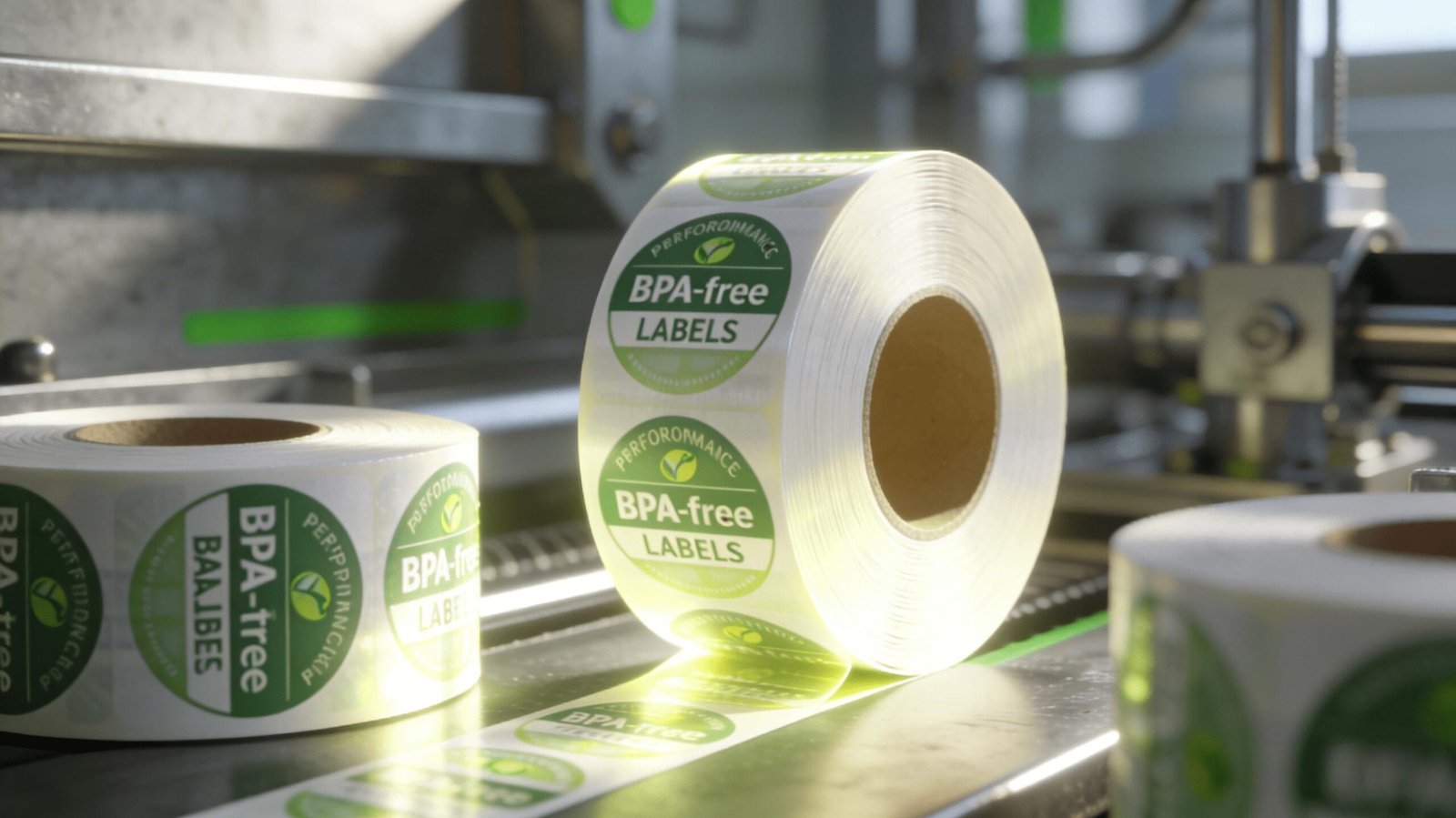
Emerging biotechnologies have the potential to revolutionize the labeling industry. Materials such as polylactic acid (PLA) and other bioplastics are gaining traction due to their compostable nature while retaining functional properties similar to traditional plastics. These options can effectively minimize environmental impact and waste, addressing consumer concerns about sustainability.
The market's pivot toward biodegradable materials13 aligns with an increasing demand for eco-friendly packaging and labeling solutions. As legislation becomes more supportive of sustainable practices, wholesalers that leverage these materials may find themselves leading in a rapidly evolving market landscape.
Potential Impacts:
- Consumer Loyalty: Brands utilizing biodegradable materials13 may secure stronger connections with environmentally-aware consumers looking for sustainable options.
- Regulatory Advantages: Companies adopting sustainable practices may position themselves favorably, anticipating future regulatory shifts.
- Innovation Leadership: Embracing bio-based technologies12 can empower wholesalers to showcase their commitment to sustainability and set industry standards.
Conclusion: Are BPA-Free Labels Worth the Investment?
BPA-free labels represent a significant shift towards health-conscious, compliant labeling practices. Embracing these options enhances consumer safety and brand integrity, ensuring wholesalers remain competitive in an increasingly eco-conscious market.
My Insights
- A thorough understanding of BPA's implications is crucial for responsible product labeling.
- Innovations in material science are unlocking new, safer alternatives within the labeling industry.
- The value of BPA-free labels extends beyond compliance; it fosters trust and loyalty from health-conscious consumers.
- Continuous education about evolving labeling technologies is essential for maintaining a competitive edge in the marketplace.
Understanding the health risks of BPA exposure is crucial for making informed choices about products and safety. ↩
Exploring BPA-free alternatives can help consumers make safer choices and support healthier lifestyles. ↩
Discovering the link between BPA and reproductive health issues is vital for protecting future generations. ↩
Discover the benefits of water-based adhesives, including safety and environmental impact, for modern labeling. ↩
Learn about Proposition 65's requirements for BPA labeling and how it impacts consumer safety and product compliance. ↩
Explore this link to understand the comprehensive ban on BPA in food contact materials and its implications for manufacturers. ↩
Find out about global BPA restrictions in food products to stay informed on safety standards and regulations. ↩
Discover the significance of BPA-free labels in promoting health and safety in consumer products. ↩
Explore the advantages of BPA-free labels to understand how they enhance product safety and quality, crucial for modern businesses. ↩
Learn how durability and adhesion affect product performance, ensuring reliability and efficiency in logistics and distribution. ↩
Discover the latest advancements in adhesive technologies that improve label performance in challenging environments. ↩
Explore this link to understand how bio-based technologies are shaping the future of labeling and sustainability. ↩
Discover insights on the impact of biodegradable materials in labeling, enhancing eco-friendliness and consumer appeal. ↩